Bakuchiol vs. Retinol: Does the 'Natural Retinol' Actually Work?
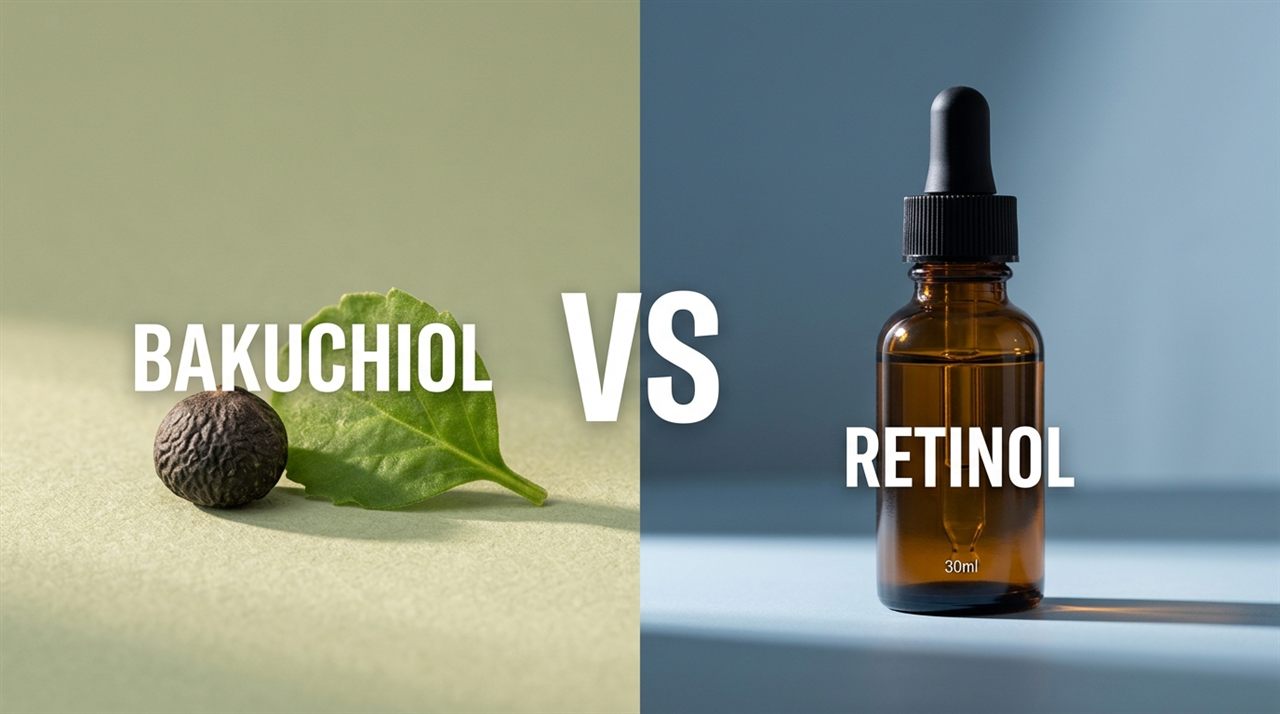
⚡ The 30-Second Version
- ✓Bakuchiol is a plant-derived ingredient marketed as 'natural retinol' — chemically it's nothing like vitamin A, but it appears to switch on some of the same collagen-related pathways.
- ✓The headline evidence: a 12-week randomized, double-blind trial found 0.5% bakuchiol matched 0.5% retinol for reducing wrinkles and hyperpigmentation — with less scaling and stinging.
- ✓The catch: that's essentially one small head-to-head study (44 people). Retinoids have decades of data; bakuchiol has a promising start. 'As good as retinol' is fair; 'better than retinol' is not proven.
- ✓Who it's for: sensitive, reactive, or pregnancy-cautious users who can't tolerate a retinoid. If your skin handles retinoids fine, a true retinoid like retinal is still the stronger, better-documented choice.
If you've shopped for anti-aging skincare lately, you've seen bakuchiol sold as the gentle, plant-based answer to retinol — the 'natural retinol' that gives you the glow without the flaking. Normally that kind of marketing is a red flag, because 'natural alternative to [proven ingredient]' usually means 'weaker thing riding on a buzzword.' Bakuchiol is the unusual case where the claim has actual clinical backing. It's also widely misunderstood, so let's separate what's proven from what's hype.
What bakuchiol actually is
Bakuchiol (buh-KOO-chee-ol) is a compound extracted from the seeds and leaves of the Psoralea corylifolia plant, used for centuries in traditional medicine. Chemically, it looks nothing like retinol — it isn't a form of vitamin A at all. What makes it interesting is 'functional' similarity: lab studies suggest bakuchiol influences some of the same skin pathways a retinoid does, appearing to upregulate collagen production and cell turnover through a different molecular door. So it's not a retinoid, but it may end up asking your skin to do some of the same things.
The one study everyone cites — and what it really found
The reason bakuchiol gets taken seriously is a 2019 trial published in the British Journal of Dermatology. It was a prospective, randomized, double-blind study — the good kind — in which 44 people applied either 0.5% bakuchiol cream twice daily or 0.5% retinol cream once daily for 12 weeks, with a blinded dermatologist grading high-resolution facial photos along the way. The result: both ingredients significantly reduced wrinkle surface area and hyperpigmentation, with no statistically significant difference between them. Crucially, the retinol group reported more facial scaling and stinging. In plain terms: bakuchiol matched retinol on results and beat it on tolerability.
That's a genuinely strong finding, and it's why bakuchiol earned its reputation. But read the size honestly: this is one small study of 44 people over 12 weeks. Retinoids, by contrast, have decades of trials across thousands of people. So the fair conclusion is 'bakuchiol looks comparable to retinol in the limited evidence we have,' not 'bakuchiol is proven equal or superior.' Promising is not the same as settled.
Bakuchiol vs. retinol vs. retinal: where it sits
It helps to place bakuchiol on the map. True retinoids form a potency ladder — retinol, then the stronger retinaldehyde ('retinal'), then prescription retinoic acid — all of which are vitamin-A molecules your skin converts to the active form. Bakuchiol isn't on that ladder at all; it's a separate, gentler ingredient that mimics some effects. So if raw strength is what you're after, a retinoid — especially retinal, which sits one step from prescription strength — is still the more powerful, better-documented tool. Bakuchiol's edge isn't potency; it's tolerability.
Who should actually choose bakuchiol
This is the practical part. Bakuchiol is a genuinely smart pick if you're in one of these camps: your skin is sensitive, reactive, or rosacea-prone and reliably freaks out at retinoids; you've tried retinol and couldn't get past the irritation; or you're pregnant or breastfeeding and have been advised to avoid retinoids (an important caveat — while bakuchiol is generally considered gentler, you should still clear any product with your doctor during pregnancy, as its safety in that context isn't firmly established). For these users, a well-tolerated ingredient with real anti-aging data is a legitimately good deal.
On the other hand, if your skin already handles a retinoid without much fuss, there's no strong reason to trade down to the less-studied option. In that case the better move is simply to use a retinoid correctly and gently — which mostly comes down to how you introduce it and what you pair it with. We cover that in retinol purging vs. breaking out and what you can and can't layer with a retinoid.
The bottom line: bakuchiol is the rare 'natural alternative' that isn't just marketing — one solid study shows it can rival retinol on wrinkles and pigmentation with less irritation. But 'rival in one small trial' isn't 'beat decades of retinoid science.' Reach for bakuchiol if retinoids don't work for your skin or your situation; if they do, a true retinoid is still the stronger bet.
Heads up: links below are affiliate links — we may earn a small commission at no extra cost to you. Learn more.
🛒 Featured in this post
 Amazon
The Ordinary Retinol 1% in Squalane
High-strength retinol suspended in squalane to blunt the irritation. $10 for the real thing — 18,000+ reviews.
 Amazon
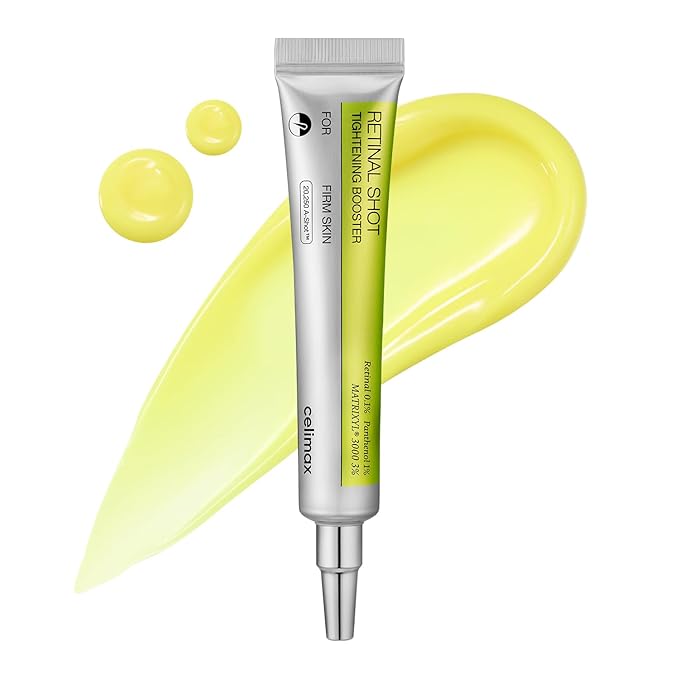
celimax Vita A 0.1% Retinal Shot Booster
K-beauty's next-gen retinal serum — works faster than retinol with less irritation. 18,000+ reviews.
📚 Sources & studies
- Dhaliwal S et al., British Journal of Dermatology (2019) — Prospective, randomized, double-blind assessment of topical bakuchiol and retinol for facial photoageing (12-week head-to-head trial) View study ↗
- American Academy of Dermatology — Retinoid or retinol? How vitamin-A ingredients work and how to use them View study ↗
This article is for informational purposes only and is not medical advice. Skincare products affect individuals differently — consult a board-certified dermatologist for concerns about your skin.