Retinol Purging vs. Breaking Out: How to Tell If Your Retinoid Is Actually Working
⚡ The 30-Second Version
- ✓Purging is real: as a retinoid speeds cell turnover, clogs that were already forming surface faster — so you break out sooner, not because the product is failing.
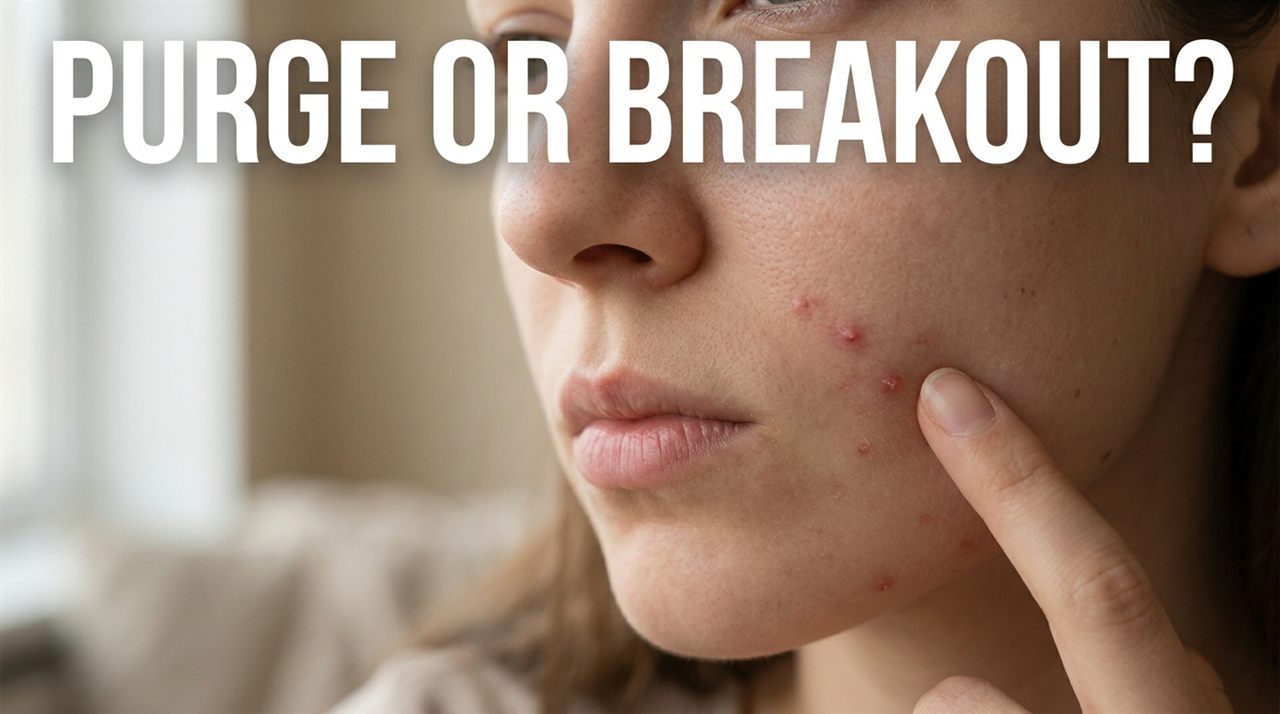
- ✓Tell them apart by WHERE and WHAT: purging appears in your usual breakout zones as small, uniform bumps that clear quickly; a true reaction shows up in new areas, as deeper cysts, or as rashy irritation that keeps getting worse.
- ✓Timeline: purging tends to peak around week 4 and settle by week 6. If skin is still worse after 6 weeks, it's probably irritation or a bad match — not purging.
- ✓Ride it out gently: keep the retinoid at 2–3 nights a week, buffer with moisturizer, don't add acids, and give the full 8–12 weeks before deciding it doesn't work.
It's the most demoralizing moment in skincare: you finally commit to a retinoid, you use it faithfully for a few weeks, and your skin gets worse, not better. Now you're stuck on the question that launches a thousand Reddit threads — is this the legendary 'purge' that means it's working, and I should push through? Or is my skin telling me to stop? Getting this call right matters, because quitting during a normal purge means abandoning a great ingredient right before it pays off, while pushing through a real reaction can genuinely damage your skin.
Why purging happens at all
First, the mechanism, because it makes the whole thing less scary. A retinoid works by accelerating skin-cell turnover — it speeds up the rate at which your skin renews itself. The catch is that many microcomedones (clogs) are already quietly forming beneath the surface before you ever start. When you suddenly speed everything up, those already-in-progress clogs are pushed to the surface faster than they otherwise would have been. So you get a wave of breakouts early on — not because the retinoid is causing new congestion, but because it's fast-forwarding stuff that was already on its way up. That's purging: your skin clearing out its backlog on an accelerated schedule.
Purging vs. a real breakout: the two questions that decide it
Dermatologists separate purging from a genuine adverse reaction mostly by location and character. Ask two things. First, WHERE is it happening? Purging shows up in the areas you normally break out — the same forehead, chin, or cheek zones where clogs usually form. If you're suddenly breaking out in places you never do, that points away from purging and toward irritation or a reaction to the formula. Second, WHAT does it look like? Purging tends to be small, fairly uniform whiteheads and blackheads that come and go quickly. Deep, painful cysts, widespread new pustules, or red, flaky, rashy, burning irritation are the signatures of a reaction — not a purge.
There's also a plain-irritation category that isn't acne at all: stinging, tightness, redness, and peeling. That's your barrier objecting to too much, too fast — usually fixed by using the retinoid less often and moisturizing more, not by stopping entirely.
The timeline that settles most arguments
Time is the clearest tiebreaker. A purge is short-lived: it typically ramps up in the first few weeks, peaks around week four, and resolves within about four to six weeks as your skin adjusts — a process sometimes called 'retinization.' The American Academy of Dermatology's general guidance is to give a new skin-care treatment four to six weeks to start improving skin. So the rule of thumb is: if your breakouts are settling down by week six, that was a purge and you're through the worst of it. If your skin is still getting worse past six weeks, that's no longer purging — it's a sign the product, the frequency, or the pairing isn't right for you.
How to get through a purge without making it worse
If the signs point to purging, the goal is to support your skin, not to power through by brute force. Keep the retinoid to two or three nights a week rather than nightly — slower introduction means a gentler purge. Buffer it: apply a plain moisturizer before or after to cushion the active. Do not pile on exfoliating acids or scrubs during this window; stacking actives is how a manageable purge becomes real irritation (see what you can and can't layer with a retinoid). And wear sunscreen every morning, because purging skin is already vulnerable. If irritation is severe, stop and reassess — pushing through genuine damage is never the move.
When to just stop
Stop and rethink if: the breakouts are deep, cystic, and painful; you're reacting in brand-new areas; the irritation is severe or looks rash-like; or you're past six to eight weeks with no improvement. Any of those means this isn't a productive purge. That might mean stepping down to a gentler option — including a non-retinoid like bakuchiol if retinoids simply don't agree with your skin — or getting a dermatologist's eyes on it. Purging is worth enduring; genuine damage is not.
The bottom line: purging is real and temporary — same breakout zones, small uniform bumps, peaking around week four and clearing by week six. New areas, deep cysts, rashy irritation, or no improvement past six weeks mean it's a reaction, not a purge. When it's truly purging, go slow, moisturize, skip the acids, and give a retinoid the full 8–12 weeks it needs to prove itself.
Heads up: links below are affiliate links — we may earn a small commission at no extra cost to you. Learn more.
🛒 Featured in this post
 Amazon
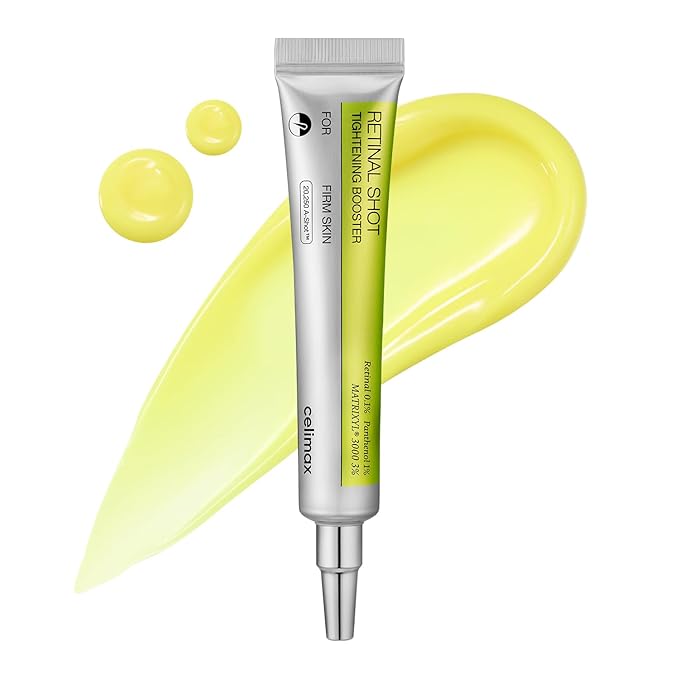
celimax Vita A 0.1% Retinal Shot Booster
K-beauty's next-gen retinal serum — works faster than retinol with less irritation. 18,000+ reviews.
 Amazon
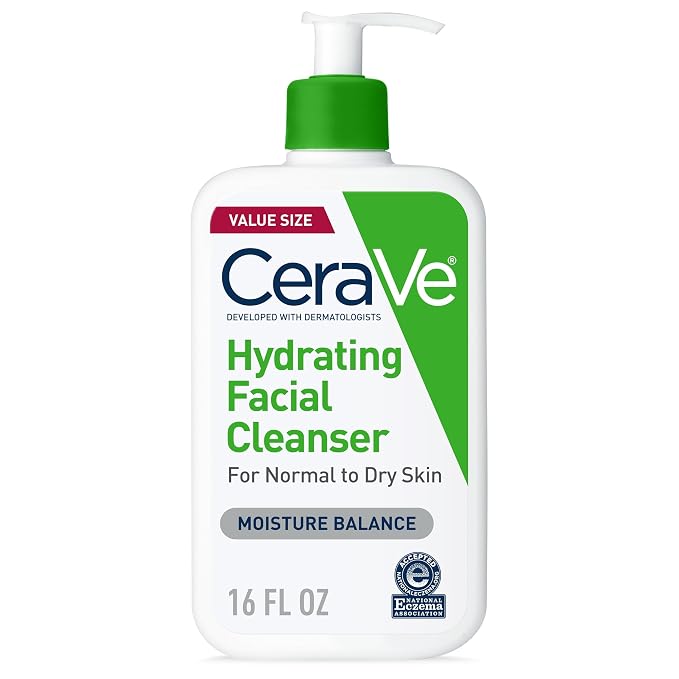
CeraVe Hydrating Facial Cleanser (16 oz)
The dry-skin sibling of our foaming favorite — cleanses without any tightness. 131,000+ reviews.
 Amazon
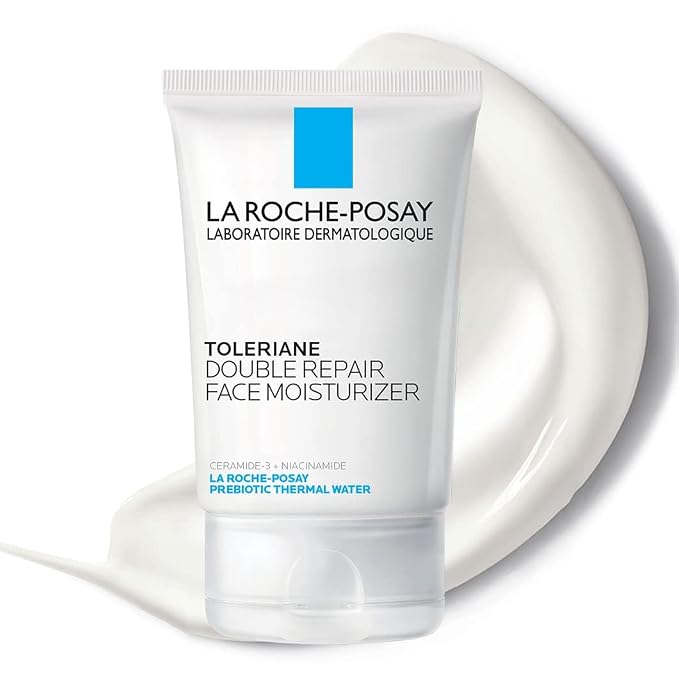
La Roche-Posay Toleriane Double Repair Moisturizer
French-pharmacy classic with ceramides + niacinamide that restores the skin barrier. 50,000+ reviews.
📚 Sources & studies
- American Academy of Dermatology — Retinoid or retinol? Expected adjustment period and how to use retinoids View study ↗
- Zasada M & Budzisz E, Adv Dermatol Allergol (2019) — Retinoids: active molecules influencing skin structure formation (mechanism of turnover and irritation) View study ↗
This article is for informational purposes only and is not medical advice. Skincare products affect individuals differently — consult a board-certified dermatologist for concerns about your skin.