Can You Use Retinol With Vitamin C, Niacinamide, or Acids? The Layering Rules

⚡ The 30-Second Version
- ✓The safest split: vitamin C in the AM, retinoid at night. Pure L-ascorbic acid's low pH and retinol don't belong in the same session — separating them by time avoids the conflict entirely.
- ✓Niacinamide + retinoid is fine, despite the old internet myth — niacinamide is one of the most tolerable actives and can actually buffer retinoid irritation.
- ✓Don't stack a retinoid with AHA/BHA exfoliating acids on the same night — that combo is the most common cause of a wrecked barrier. Alternate nights instead.
- ✓Always follow a retinoid with moisturizer, and never skip morning sunscreen — retinoids increase sun sensitivity.
You bought the retinoid, you bought the vitamin C, maybe a niacinamide and an exfoliating acid too — and now the internet is screaming that half of them will 'cancel each other out' or 'destroy your barrier' if you combine them. Some of those warnings are real chemistry; a lot of them are recycled myths. Here's the honest, mechanism-based version of what you can layer with a retinoid (retinol or the stronger retinal) and what you should keep apart.
Retinoid + vitamin C: separate them by time, not forever
This is the pairing people worry about most, and the concern is half-legit. Pure L-ascorbic acid — the gold-standard, most-studied form of vitamin C — is most stable and effective at a low, acidic pH. Retinol works best closer to neutral pH. Pile them into the same routine and the acidic environment can destabilize the retinol while the combination ramps up irritation. But here's the fix everyone skips: you don't have to choose between them, you just don't apply them at the same time. The standard dermatologist move is vitamin C in the morning (where it also pairs beautifully with sunscreen as an antioxidant) and your retinoid at night. Applied twelve hours apart, they never meet on your skin, so there's no pH conflict and no compounded irritation.
If you specifically want both in one routine, look for a stabilized vitamin C derivative — sodium ascorbyl phosphate, magnesium ascorbyl phosphate, or ascorbyl glucoside — which work at neutral pH and are far more forgiving to layer. But for most people, the AM/PM split is simpler and free.
Retinoid + niacinamide: the myth that won't die
For years the internet insisted you couldn't use niacinamide with vitamin C or with retinoids because they'd 'cancel out.' That's outdated. Niacinamide (vitamin B3) is one of the most tolerable, pH-flexible actives in all of skincare, and it layers safely with essentially everything — including retinoids. If anything, it's a helpful partner: niacinamide supports the skin barrier and can reduce some of the dryness and irritation a retinoid causes, which is why so many retinoid formulas now include it. Feel free to use a niacinamide serum in the same routine as your retinoid, or a moisturizer that contains it. (More on why niacinamide earns its spot in our piece on niacinamide and pores.)
Retinoid + exfoliating acids: this is the real conflict
Here's the combination that actually deserves the fear. Layering a retinoid with an AHA (glycolic, lactic) or BHA (salicylic) exfoliating acid on the same night is the single most common way people destroy their skin barrier. Both are already pushing cell turnover and both can irritate; stacked together, they frequently produce raw, red, stinging, over-exfoliated skin. The rule is simple: don't use them the same night. Alternate — retinoid one night, acid another — and give your skin recovery time in between. If you're new to a retinoid, it's smart to hold off on strong acids entirely until your skin has adjusted.
The two rules that apply no matter what
Whatever else you layer, two things are non-negotiable. First, follow your retinoid with a moisturizer — applying it over (or sandwiched with) a basic moisturizer blunts irritation without blunting results, which is a game-changer for beginners. Second, wear sunscreen every morning. Retinoids make your skin more sensitive to UV, so daytime SPF isn't a 'nice to have' — it's the other half of the treatment. Skipping it undoes the anti-aging work you're doing at night.
A simple routine that uses everything
Put it together and the 'impossible' shelf becomes easy. Morning: cleanse, vitamin C, moisturizer, sunscreen. Night: cleanse, retinoid, moisturizer — and on nights you want to exfoliate, swap the retinoid out and use your acid instead. Niacinamide can ride along in either routine. That's it: no ingredient wasted, no barrier wrecked. If you're still ramping up and unsure whether early flaking is normal, read retinol purging vs. breaking out before you panic and quit.
The bottom line: the only hard conflicts are retinoid-plus-acids (never the same night) and retinoid-plus-pure-vitamin-C (just split them AM/PM). Niacinamide is a friend, moisturizer is mandatory, and sunscreen is the price of admission. Most 'never mix' rules online are fixed by timing, not by throwing products away.
Heads up: links below are affiliate links — we may earn a small commission at no extra cost to you. Learn more.
🛒 Featured in this post
 Amazon
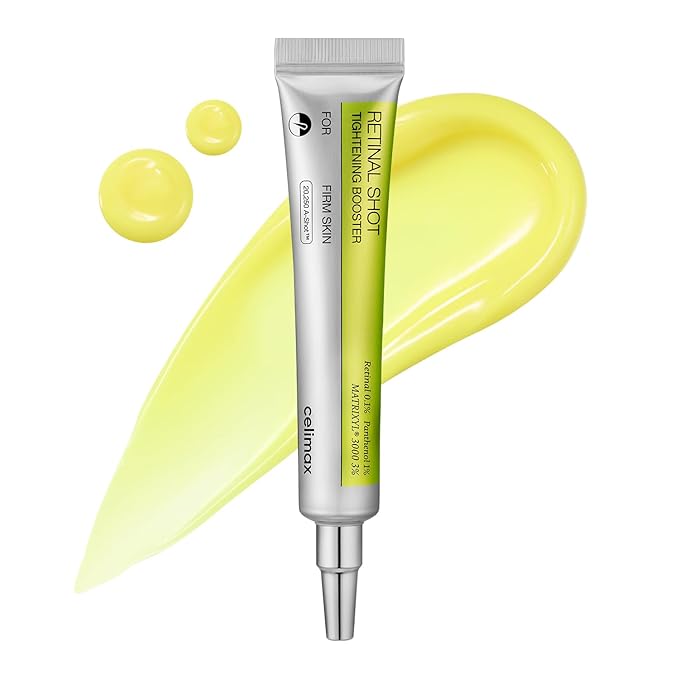
celimax Vita A 0.1% Retinal Shot Booster
K-beauty's next-gen retinal serum — works faster than retinol with less irritation. 18,000+ reviews.
 Amazon
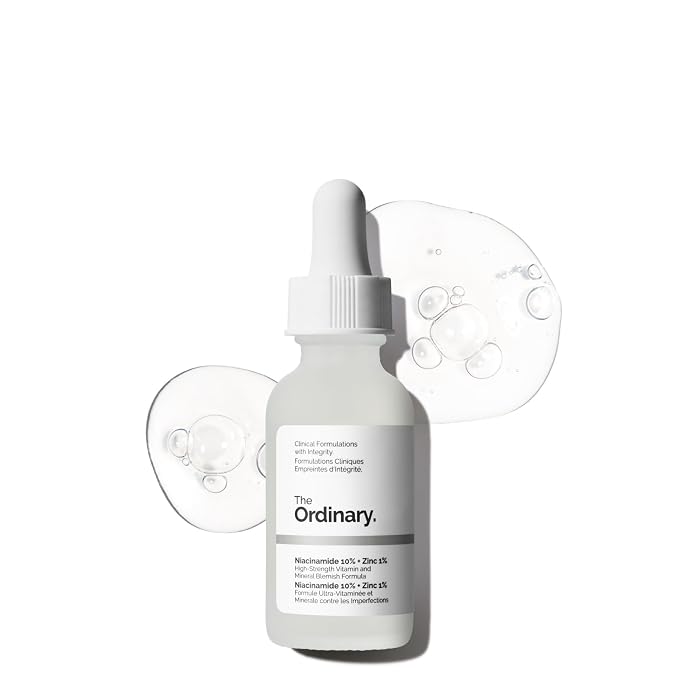
The Ordinary Niacinamide 10% + Zinc 1%
The $6 serum for oil and blemish control that lives in half the skincare routines on the internet.
 Amazon
TruSkin Vitamin C Serum for Face (1 fl oz)
The internet's default vitamin C serum — 156,000+ reviews. 20% vitamin C with hyaluronic acid and vitamin E for dark spots and dullness.
📚 Sources & studies
- American Academy of Dermatology — Retinoid or retinol? How to apply vitamin-A products and pair them safely View study ↗
- Draelos ZD et al., J Cosmet Laser Ther (2006) — The effect of 2% niacinamide on facial sebum production (a well-tolerated, layer-friendly active) View study ↗
This article is for informational purposes only and is not medical advice. Skincare products affect individuals differently — consult a board-certified dermatologist for concerns about your skin.