Skin Flooding: The TikTok Routine That's Actually Just Good Hydration Science
⚡ The 30-Second Version
- ✓Skin flooding isn't a new ingredient — it's a sequencing trick that applies established hyaluronic-acid science correctly: hydrating products layered onto damp (not dry) skin, sealed with moisturizer.
- ✓The mechanism is the same one dermatology research already established for HA: applied to dry skin in dry air, it can pull moisture OUT instead of in. Damp skin fixes that.
- ✓The 4 steps: gentle cleanser → hydrating mist/toner (skin still damp) → hyaluronic acid serum → moisturizer to seal it all in before the water evaporates.
- ✓No single 'skin flooding' clinical trial exists — the trend's credibility comes from the humectant science underneath it, not a study of the trend itself.
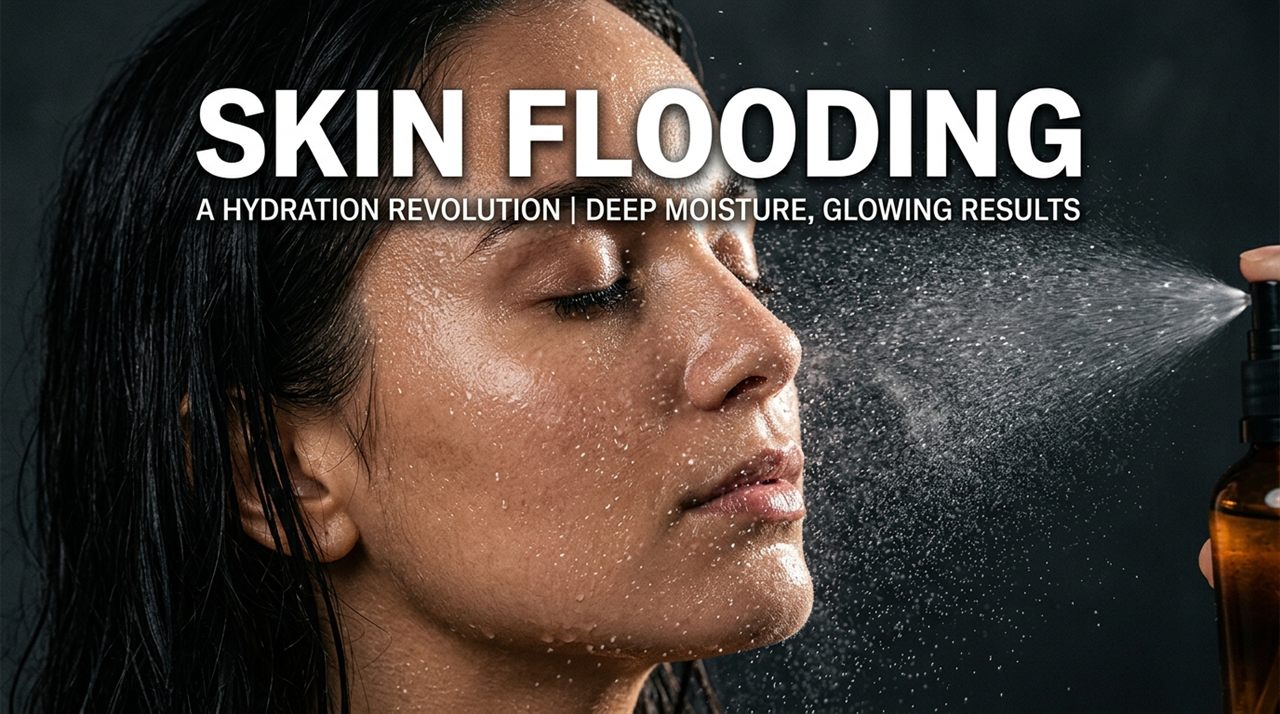
"Skin flooding" is one of the more recent viral skincare terms, and like a lot of TikTok trends, the name oversells what's actually happening. There's no special new ingredient called 'skin flooding.' It's a sequencing technique — a specific order and timing for applying hydrating products — and the honest version of the story is that it works because it correctly applies hydration science that's been established for years, not because it's a discovery.
The science it's actually built on
The core of skin flooding rests on one well-established fact about hyaluronic acid (HA): it's a humectant, meaning it pulls water toward itself. A widely-cited dermatology review calls HA 'a key molecule in skin aging' precisely because of this water-binding property. But that same mechanism has a well-known failure mode we've covered before: applied to completely dry skin in dry air, hyaluronic acid can pull moisture out of your skin instead of into it, because with no ambient water to grab, the molecule reaches for whatever water is closest — which is your skin. That's the entire reason 'apply HA to damp skin, then seal with moisturizer' has been standard dermatology-adjacent advice for years, well before 'skin flooding' was a hashtag.
So when people describe skin flooding as some new hack, what they're actually describing is: doing hyaluronic acid correctly. The trend's real contribution isn't new science — it's packaging an established best practice into a clear, repeatable 4-step routine that's easy to follow and easy to film.
The 4 steps
Step one: a gentle, non-stripping cleanser — nothing foaming or acid-heavy that leaves skin tight and dry, since the whole routine depends on skin staying damp. Step two: mist or hydrating toner, applied while skin is still visibly damp from cleansing — a fragrance-free thermal water spray like Avène's Thermal Spring Water Mist works well here, or a simple hydrating toner. Step three: hyaluronic acid serum, applied to that still-damp skin — this is the step where the 'don't apply to bone-dry skin' rule matters most. Step four: moisturizer, applied promptly to seal all of that water in before it evaporates off the surface. Skipping or rushing the moisturizer step is the most common way people undo the whole routine.
Why we're not citing a 'skin flooding' study — and why that's honest, not a red flag
You won't find a peer-reviewed clinical trial titled anything like 'skin flooding routine efficacy,' because it's an application technique assembled from existing ingredients, not a tested product or protocol. That's worth saying plainly rather than pretending otherwise. What is real and well-supported is the underlying mechanism — humectants need ambient moisture to work correctly, and applying them to damp skin sealed with a moisturizer is the correct way to use them. If a routine's individual steps are backed by real science and the sequencing follows that science logically, the routine is credible even without its own dedicated study.
If you want the full order-of-operations logic behind why sequencing matters this much in skincare generally, we cover the thinnest-to-thickest rule here.
The bottom line: skin flooding isn't a gimmick, but it's also not a discovery — it's good hyaluronic-acid technique with a catchy name. Cleanse gently, mist or tone on damp skin, layer HA serum while skin is still damp, and seal it immediately with moisturizer. The 'flooding' is really just not letting the water evaporate before you trap it.
Heads up: links below are affiliate links — we may earn a small commission at no extra cost to you. Learn more.
🛒 Featured in this post
 Amazon
Avène Thermal Spring Water Face Mist
A soothing, fragrance-free thermal water spray — the mist step in a skin flooding routine, used to re-wet skin between humectant layers. Dermatologist-recommended for sensitive skin.
 Amazon
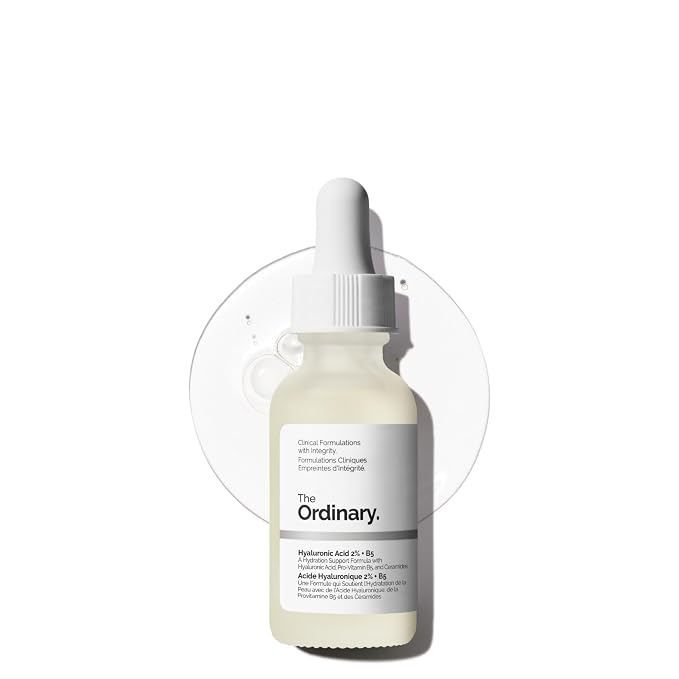
The Ordinary Hyaluronic Acid 2% + B5
Multi-depth hydration serum that plumps fine lines before moisturizer. 37,000+ reviews.
 Amazon
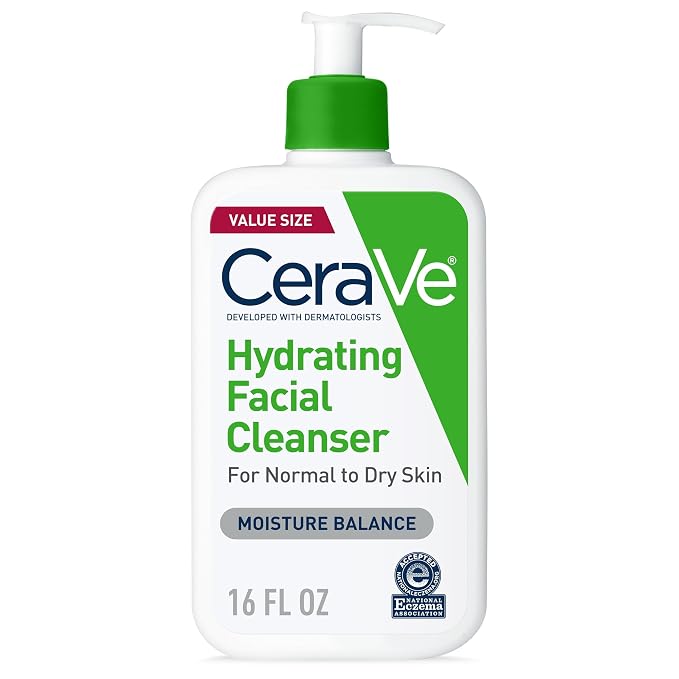
CeraVe Hydrating Facial Cleanser (16 oz)
The dry-skin sibling of our foaming favorite — cleanses without any tightness. 131,000+ reviews.
 Amazon
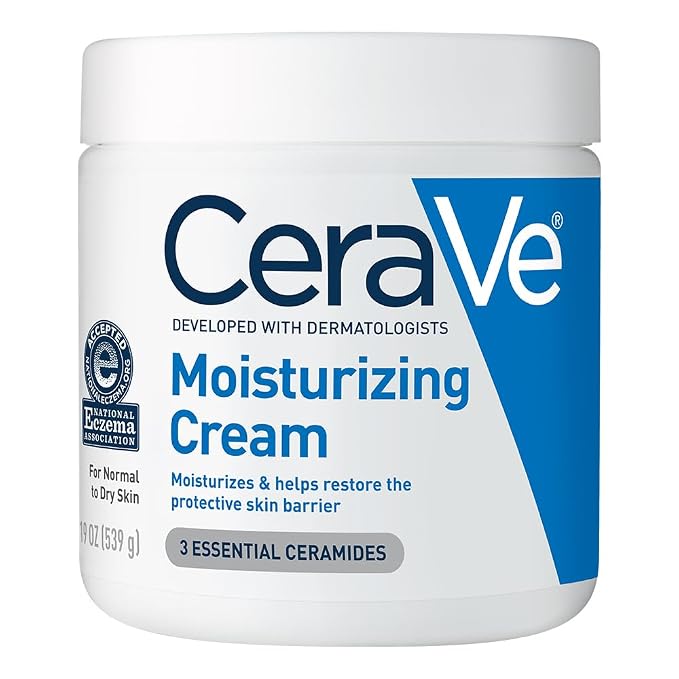
CeraVe Moisturizing Cream (19 oz)
The big tub of ceramide cream for face and body — 145,000+ reviews and a derm-office staple.
📚 Sources & studies
- Papakonstantinou E et al., Dermato-Endocrinology (2012) — Hyaluronic acid: A key molecule in skin aging View study ↗
This article is for informational purposes only and is not medical advice. Skincare products affect individuals differently — consult a board-certified dermatologist for concerns about your skin.