The Right Order to Apply Skincare (and Why It Quietly Changes Your Results)
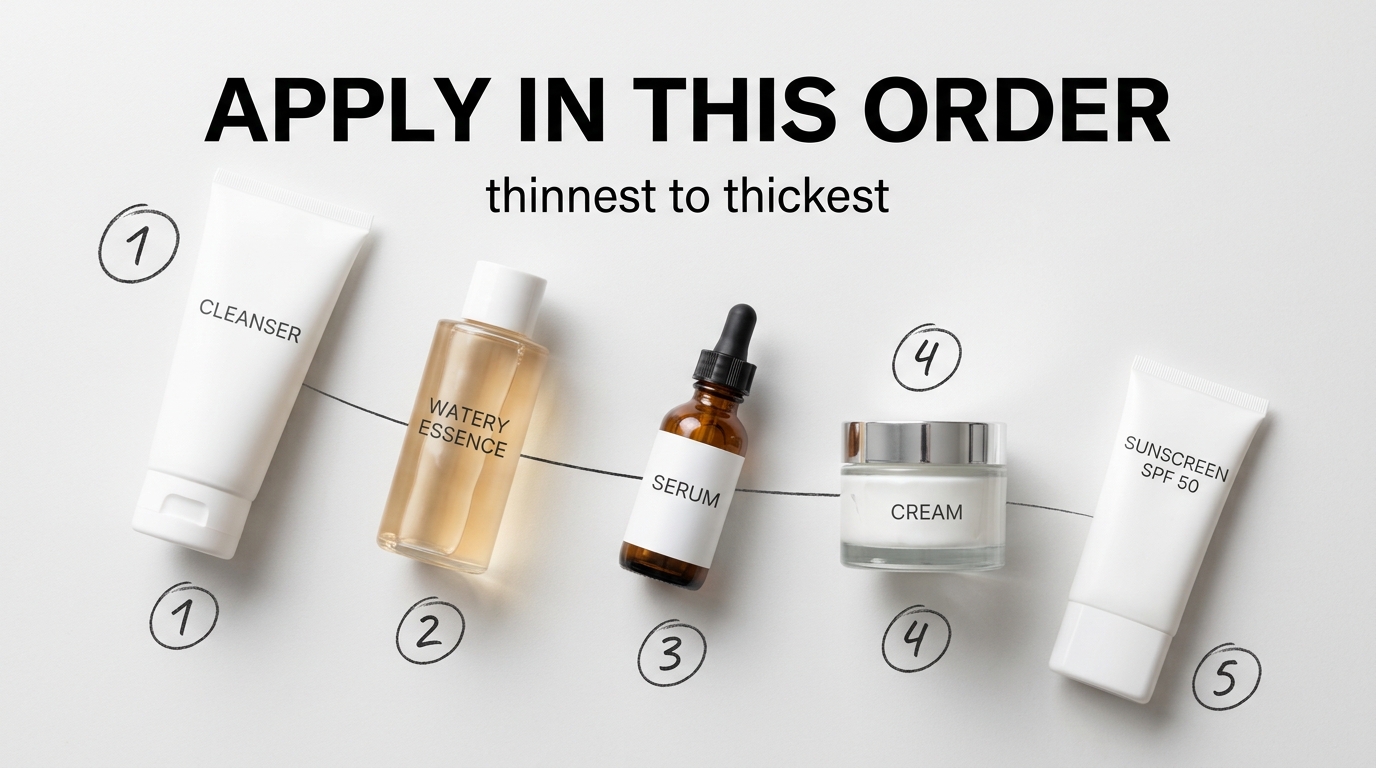
⚡ The 30-Second Version
- ✓The rule that fixes 90% of routines: thinnest to thickest. Watery products first, creams last, sunscreen always on top.
- ✓Order changes results — a rich cream applied too early can block a watery serum from ever reaching your skin.
- ✓Simplest reliable routine: cleanse → treat (serum) → moisturize → SPF in the morning. That's it.
- ✓Two biggest mistakes: putting sunscreen under moisturizer, and layering so many actives you irritate your skin.
Here's a frustrating truth about skincare: you can buy all the right products — a good cleanser, a proven serum, a ceramide moisturizer, a broad-spectrum sunscreen — and still get underwhelming results, purely because of the order you put them on. It's the most overlooked variable in an entire industry built on selling you more bottles. Nobody's product marketing wants to admit that the sequence matters more than the twentieth 'miracle' ingredient, but it does.
The good news is that this is the rare skincare problem with a genuinely simple, evidence-based fix. Get the order right and every product you already own works closer to its potential — no extra spending required. Get it wrong and you can literally block an active ingredient from ever reaching your skin, or worse, cancel out your sun protection without realizing it. Let's walk through exactly how to layer, why each step sits where it does, and the handful of mistakes that quietly sabotage otherwise good routines.
Why the order matters at all
Your skin isn't a passive sponge that soaks up whatever you put on it. Its outer layer — the stratum corneum — is a deliberately selective barrier designed to keep water in and foreign substances out. That's great for survival and mildly inconvenient for skincare, because it means not everything you apply gets in equally, and what you apply first meets far less resistance than what you apply fourth.
The core principle dermatologists teach is 'thinnest to thickest.' You apply the lightest, most watery products first and work toward the heaviest, most occlusive ones. The logic is physical, not mystical: a thin, water-based serum can spread and absorb into freshly cleansed skin easily, but if you put a rich, oil-rich cream down first, you've laid a barrier that a watery product applied on top will struggle to penetrate. It mostly just sits there, or slides off. You paid for an active ingredient and then blocked its own path.
The American Academy of Dermatology frames the same idea in plain terms for everyday routines: cleanse first, apply any treatment right after cleansing (when skin is most receptive), then moisturizer, then sunscreen, and makeup last if you wear it. That single sentence resolves most of the confusion people have — and notice where sunscreen falls. It is not buried in the middle. It goes on top of your skincare, every single morning.
There's a second reason order matters that gets less attention: irritation. Actives like exfoliating acids and retinoids are powerful precisely because they're bioavailable. Stack too many of them, in the wrong sequence, on bare skin, and you don't get double the benefit — you get a compromised barrier, redness, and the kind of 'my skin is freaking out' spiral that makes people quit skincare entirely. Sequencing isn't only about maximizing absorption; sometimes it's about deliberately buffering strong ingredients so your skin can tolerate them.
The morning routine, step by step
Mornings are about protection. The goal is clean skin, a couple of supportive ingredients, and — non-negotiably — sunscreen. You do not need a ten-step morning. You need four steps done consistently.
Step 1 — Cleanse (or just rinse). Overnight your skin mostly accumulates its own oil and the residue of last night's products, not heavy grime, so mornings don't demand an aggressive wash. A gentle, low-stripping cleanser is ideal; if your skin runs dry, a splash of water alone is a legitimate choice. What you're avoiding is the harsh, squeaky-clean feeling — that tightness is a sign you've damaged your barrier, which sets up dryness and rebound oiliness for the rest of the day. A fragrance-free foaming or hydrating cleanser is the quiet workhorse here.
Step 2 — Treat, with something water-based and gentle. This is your thin-layer step. A hydrating serum or a well-tolerated active goes on now, while skin is clean and receptive. Niacinamide is close to the perfect morning active: it's water-light, it helps regulate oil, it supports the barrier, and it plays nicely with almost everything else, including the vitamin C or sunscreen that might follow. Hyaluronic acid is another great morning layer for a dewy, plumped base — with one crucial caveat we'll come back to. Apply these to slightly damp skin and give them thirty to sixty seconds to sink in before the next step.
Step 3 — Moisturize. Now you move to the thicker layer. A moisturizer does two jobs: it delivers its own barrier-supporting ingredients (ceramides, for instance) and it seals in the watery layers underneath so they don't simply evaporate off. Even oily skin benefits from this step — skipping moisturizer often makes oily skin produce more oil to compensate. Match the weight to your skin and the season: a lighter lotion in humid summer, a richer cream when the air turns dry.
Step 4 — Sunscreen, always last. This is the step that matters most and the one people most often get wrong. Sunscreen has to be the final layer of your skincare because it's engineered to form a protective film on the surface of your skin. Mineral filters in particular work by sitting on top and physically deflecting UV; bury them under a cream and you've undercut the exact mechanism you're relying on. Apply a generous amount — about two finger-lengths for the face and neck — and, on days with real sun exposure, reapply every two hours. A daily facial sunscreen you actually enjoy wearing beats the highest SPF you'll skimp on, because you'll use enough of the one that feels good.
That's the entire essential morning routine: cleanse, treat, moisturize, protect. Everything beyond it — essences, extra serums, eye creams — is optional optimization layered into the same thin-to-thick framework. None of it replaces those four steps.
The evening routine, step by step
Nights are about repair. Your skin does its regeneration work while you sleep, and it's the right time for the stronger actives you'd never pair with sun exposure. Evenings also have a permission mornings don't: you can go heavier, because nothing has to layer under sunscreen or makeup afterward.
Step 1 — Cleanse, properly this time. Evenings are when a real cleanse earns its place, because you're removing a full day of sunscreen, sweat, pollution, and — if you wear it — makeup. If you wore heavy sunscreen or makeup, a two-step approach (an oil-based cleanser or micellar water to dissolve it, then your regular gentle cleanser) removes everything without needing to scrub. Clean skin at night isn't about being aggressive; it's about giving your treatment step a clear surface to work on.
Step 2 — Essence or hydrating toner (optional but underrated). This is a distinctly K-beauty step, and it earns its keep. A watery essence applied to damp skin adds a thin layer of lightweight hydration that makes everything on top absorb and spread better. Snail mucin essence is the cult favorite here for a reason — it's a featherweight, cushiony hydrator that also acts as a gentle buffer before stronger actives, which is exactly what you want at night.
Step 3 — Treatment: your strongest active. This is the heart of the evening routine and the reason you do skincare at night at all. Retinoids belong here — a retinal (retinaldehyde) serum is one conversion step from prescription-strength retinoic acid, making it the most potent form you can buy without a doctor while staying gentler than tretinoin. Exfoliating acids also live in this step. The critical rule: don't stack a retinoid and a strong acid on the same night for most people — that's the fast track to an irritated, peeling barrier. Alternate them across the week instead, and introduce any new active slowly: two nights a week to start, building up as your skin proves it can handle it.
Step 4 — Moisturize (and buffer, if needed). Seal everything with a barrier moisturizer. If you're new to retinoids or your skin is on the reactive side, the 'sandwich' method helps enormously: a layer of moisturizer, then your retinoid, then moisturizer again. It slows the active's delivery just enough to cut irritation while you build tolerance, without meaningfully sacrificing results over the long run. A rich ceramide cream is perfect for this final step because barrier repair is exactly what stressed, actively-treated skin needs overnight.
Notice there's no sunscreen at night — obviously — which is the one clean structural difference between your two routines. Everything else follows the same thin-to-thick logic; nights just let you go stronger and heavier because nothing has to sit on top afterward.
What a realistic week actually looks like
Reading two tidy routines back to back can make skincare sound like a rigid, everyday marathon. It isn't, and treating it like one is how people burn out. The order is fixed; the frequency is flexible. Think of your routine as a stable backbone with a couple of rotating guests.
The backbone runs every day and barely changes: gentle cleanse, a hydrating or supportive layer, moisturizer, and — mornings only — sunscreen. That part should become as automatic as brushing your teeth. It's the boring, repeatable core that carries almost all of the proven benefit, and you should be able to do it half-asleep.
The rotating guests are your strong actives, and they don't belong in every single slot. A sensible week might look like: retinal on Monday, Wednesday, and Friday nights; an exfoliating acid on Sunday night; and plain hydration-and-barrier care on the nights in between so your skin gets recovery time. Mornings stay gentle year-round because you're heading out into UV — save the heavy hitters for the evening, when repair happens and nothing has to layer under sunscreen. If a night ever feels like too much, the correct move is to skip the active and just cleanse-and-moisturize. A rest night never sets you back; an over-treated, angry barrier does.
One more practical note: you don't have to build the whole thing at once. Start with the daily backbone alone for two weeks until it's a genuine habit. Then add one active — usually niacinamide in the morning or a low-frequency retinal at night — and only introduce the next thing once the previous one is uneventful. Skincare that you actually keep doing beats an elaborate routine you abandon in a month, every single time.
The mistakes that quietly wreck good routines
Even people with excellent products sabotage themselves with a few predictable errors. Fixing these costs nothing and often does more than any new purchase.
Mistake 1 — Sunscreen under moisturizer, or skipped 'because it's cloudy.' This is the single most consequential ordering error. Sunscreen goes last, over your moisturizer, every morning you'll see daylight — and UVA, the wavelength most associated with aging, passes through clouds and windows. A daily-sunscreen habit is the most evidence-backed anti-aging step in all of skincare; getting its placement wrong undermines everything underneath it.
Mistake 2 — Applying hyaluronic acid to bone-dry skin in dry air. Hyaluronic acid is a humectant: it pulls water toward itself. Give it a humid environment or damp skin and it draws moisture into your skin beautifully. Give it a dry face in a dry room and it can pull water out of your skin instead, leaving you tighter than before. The fix is trivial — apply it to slightly damp skin and seal it with moisturizer on top. Same product, opposite result, entirely down to technique.
Mistake 3 — Too many actives at once. More is not better in skincare; more is usually just more irritation. The AAD explicitly warns that piling on products, especially multiple anti-aging actives, can inflame skin and make the very signs you're chasing look worse. If your skin is red, stinging, or flaking, the answer is almost never another serum — it's fewer actives and a good moisturizer for a couple of weeks while your barrier rebuilds.
Mistake 4 — Impatience. Layering the perfect routine and then judging it in a week is a recipe for quitting things that were actually working. Skin cell turnover is a slow, multi-week process by design. Give any new active eight to twelve weeks before deciding it isn't for you, and change one variable at a time so that when something does react, you know exactly which product caused it.
The bottom line
You almost certainly don't need more products. You need to use the ones you have in the right order: thinnest to thickest, water before oil, treatments on clean skin, moisturizer to seal, and — in the morning — sunscreen as the final, unskippable layer. That single framework quietly upgrades every routine it touches, from a minimalist three-step to an elaborate K-beauty ritual.
Start with the four-step morning and four-step evening above, keep it consistent for a couple of months, and add complexity only once the basics are automatic. Skincare rewards the boring, repeatable habit far more than the exciting new bottle — and the order you apply things in is the most valuable free upgrade you'll ever give your skin.
Heads up: links below are affiliate links — we may earn a small commission at no extra cost to you. Learn more.
🛒 Featured in this post
 -16%Amazon
CeraVe Foaming Facial Cleanser (16 oz)
Dermatologist favorite with ceramides + niacinamide. Cleans oily skin without stripping — 4.8 stars, 100,000+ reviews.
 Amazon
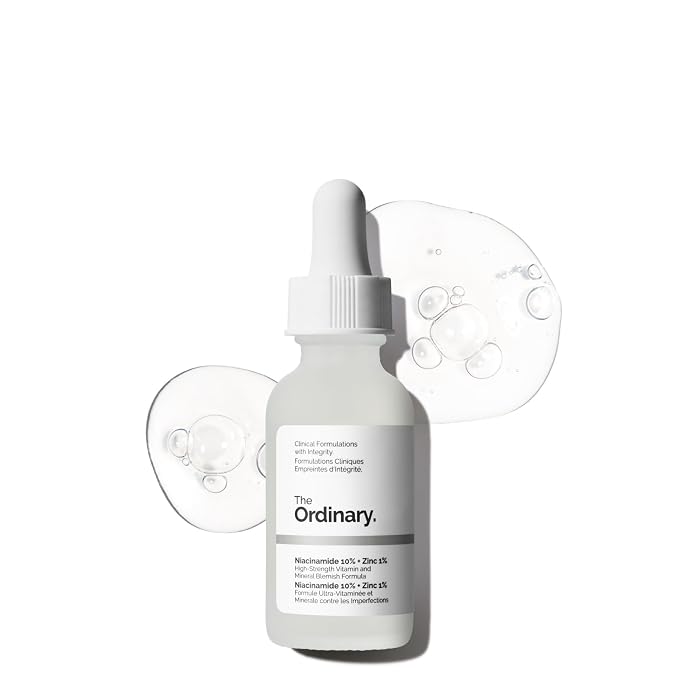
The Ordinary Niacinamide 10% + Zinc 1%
The $6 serum for oil and blemish control that lives in half the skincare routines on the internet.
 -26%Amazon
COSRX Snail Mucin 96% Repairing Essence (100ml)
The 105,000-review K-beauty icon. Featherweight glass-skin hydration that layers under everything.
 Amazon
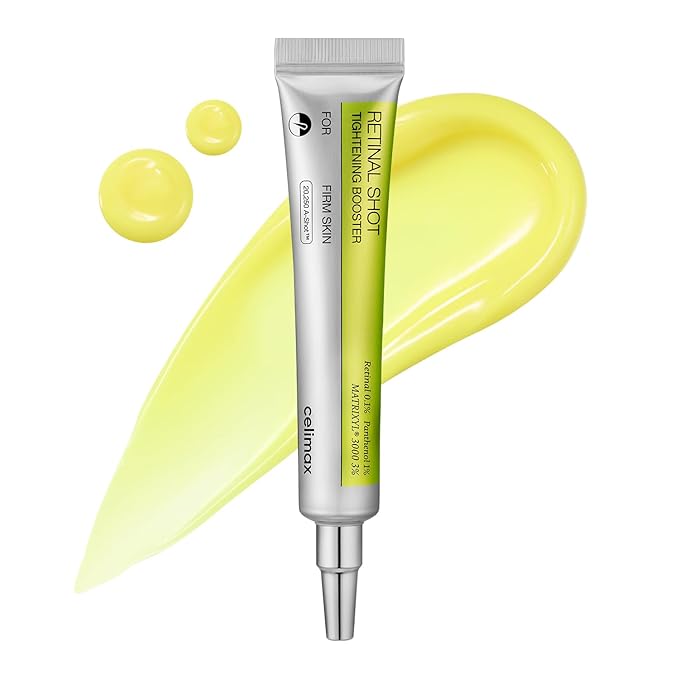
celimax Vita A 0.1% Retinal Shot Booster
K-beauty's next-gen retinal serum — works faster than retinol with less irritation. 18,000+ reviews.
 Amazon
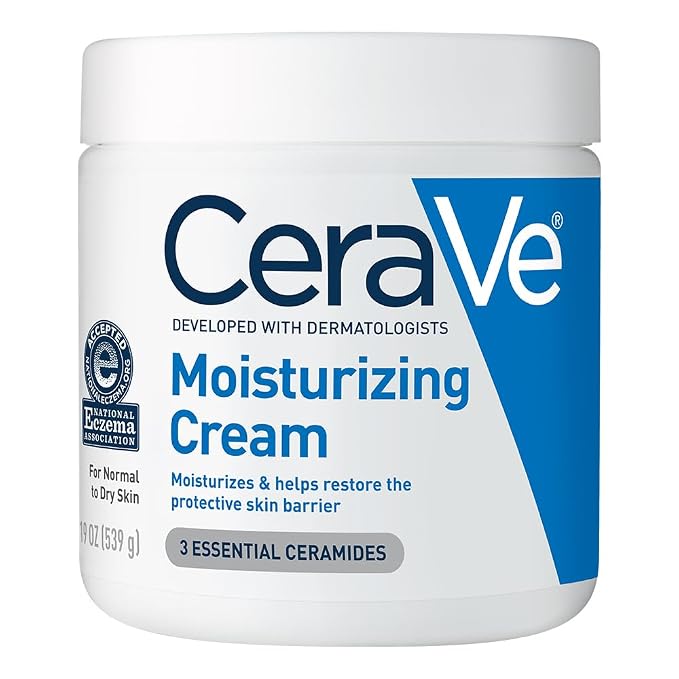
CeraVe Moisturizing Cream (19 oz)
The big tub of ceramide cream for face and body — 145,000+ reviews and a derm-office staple.
 Amazon
EltaMD UV Clear Face Sunscreen SPF 46
America's #1 dermatologist-recommended face sunscreen. Zinc oxide + niacinamide calm acne-prone skin, zero white cast — 47,000+ reviews.
📚 Sources & studies
- American Academy of Dermatology — Should I apply my skin care products in a certain order? (cleanse → treat → moisturize → sunscreen) View study ↗
- American Academy of Dermatology — Face washing 101 & basic skin care (gentle cleansing, avoiding over-use of products) View study ↗
- Spada F et al., Clin Cosmet Investig Dermatol (2018) — Skin hydration and barrier function of ceramide-containing formulations (why the seal-in step works) View study ↗
This article is for informational purposes only and is not medical advice. Skincare products affect individuals differently — consult a board-certified dermatologist for concerns about your skin.