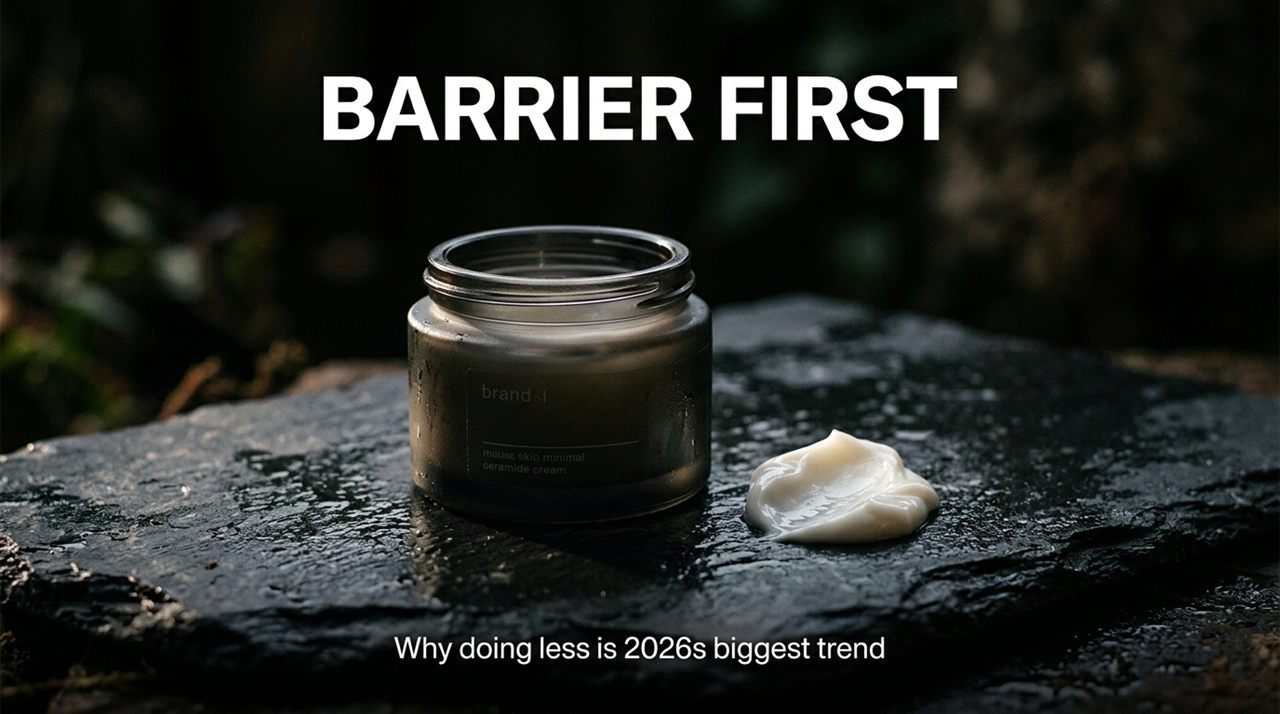
Skin Barrier First: Why 2026's Biggest Skincare Trend Is Doing Less
⚡ The 30-Second Version
- ✓2026's biggest skincare pushback is against the 10-step, acid-stacking routines of the past decade — the new default is fewer actives and more barrier repair.
- ✓This isn't just fatigue: dermatology guidance has been consistent that aggressive or frequent exfoliation is linked to micro-tearing and compromised skin barrier function.
- ✓Ceramides are the centerpiece ingredient of the shift — they're a structural component of the skin barrier itself, not just a moisturizing add-in.
- ✓The practical version: one gentle cleanser, one barrier-repair moisturizer, sunscreen — and only add an active back in once your skin tolerates the basics without irritation.
For a long stretch, more was the default assumption in skincare — more actives, more steps, more acids layered on top of each other in the name of faster results. 2026's dominant shift runs the opposite direction: fewer products, simpler formulas, and a near-obsessive focus on one thing — the skin barrier — as the foundation everything else depends on.
Why the pendulum swung
This isn't purely an aesthetic preference for minimalism. Dermatology guidance has been consistently cautious about aggressive or frequent physical and chemical exfoliation, linking overuse to micro-tearing and compromised barrier function — the same 'over-exfoliated skin' problem we've covered in the context of makeup pilling and the reason skin cycling exists as a dermatologist-designed framework in the first place. A generation of consumers layering retinol, multiple acids, and vitamin C in the same week — sometimes the same night — ran headlong into exactly the barrier damage that guidance warned about, and the minimalism trend is the market correction.
Ceramides: the actual centerpiece
If barrier-first minimalism has a signature ingredient, it's ceramides — lipid molecules that are literally structural components of the outer skin layer, not just a moisturizing additive sitting on top of it. When ceramide levels are depleted (by over-exfoliation, harsh cleansers, or just aging), the skin barrier's ability to retain water and keep irritants out measurably declines. Ceramide-forward moisturizers work by replacing what's been stripped, which is a fundamentally different mechanism than a humectant like hyaluronic acid pulling water in — the two work best together, which is why barrier-repair formulas usually combine both.
What a barrier-first routine actually looks like
The practical version of this trend is almost aggressively simple: a gentle, non-stripping cleanser; a ceramide-rich moisturizer both morning and night; sunscreen during the day. That's it, until your skin demonstrably tolerates that baseline without redness, tightness, or flaking — only then does a single active (retinoid or exfoliating acid, never both at once) get reintroduced, slowly. Illiyoon's Ceramide Ato Concentrate Cream and CeraVe's ceramide-based moisturizers are built specifically around this minimal, barrier-repair philosophy rather than an active-stacked one.
How to tell if your barrier needs this reset
Signs your skin needs a barrier-first reset rather than another active: skin that stings when you apply products that never used to sting, visible flaking that isn't just dryness, or a persistent dull, tight feeling that moisturizer doesn't fully resolve. If any of that sounds familiar, the fix usually isn't a new active — it's removing actives for two to four weeks and rebuilding with ceramides and consistency before adding anything back.
The bottom line: 2026's minimalism trend is a direct, evidence-backed correction to years of over-exfoliation and acid-stacking — ceramide-forward barrier repair isn't a lesser routine, it's the actual foundation that makes every other active work once you do add it back.
Heads up: links below are affiliate links — we may earn a small commission at no extra cost to you. Learn more.
🛒 Featured in this post
 Amazon
Illiyoon Ceramide Ato Concentrate Cream
A Korean ceramide-rich barrier cream built for sensitive, reactive skin — the moisturizer layer for sandwiching retinol on beginner or easily-irritated skin.
 Amazon
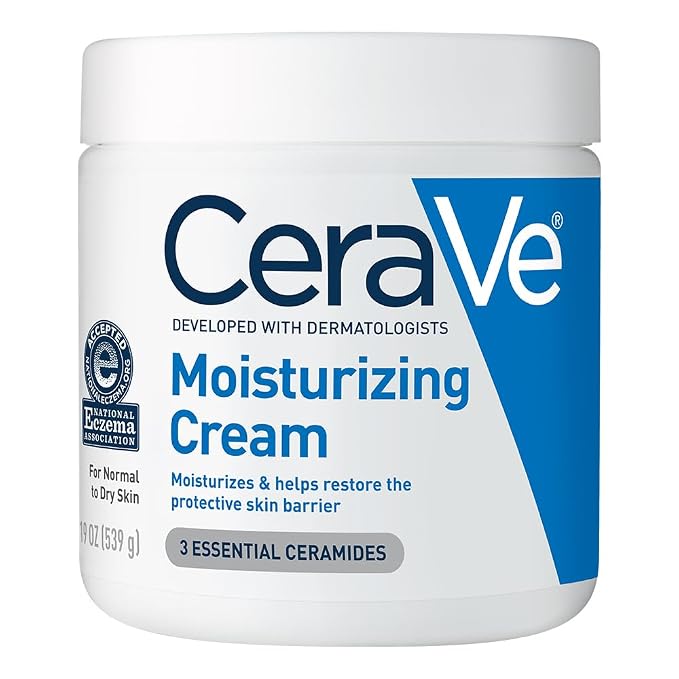
CeraVe Moisturizing Cream (19 oz)
The big tub of ceramide cream for face and body — 145,000+ reviews and a derm-office staple.
 Amazon
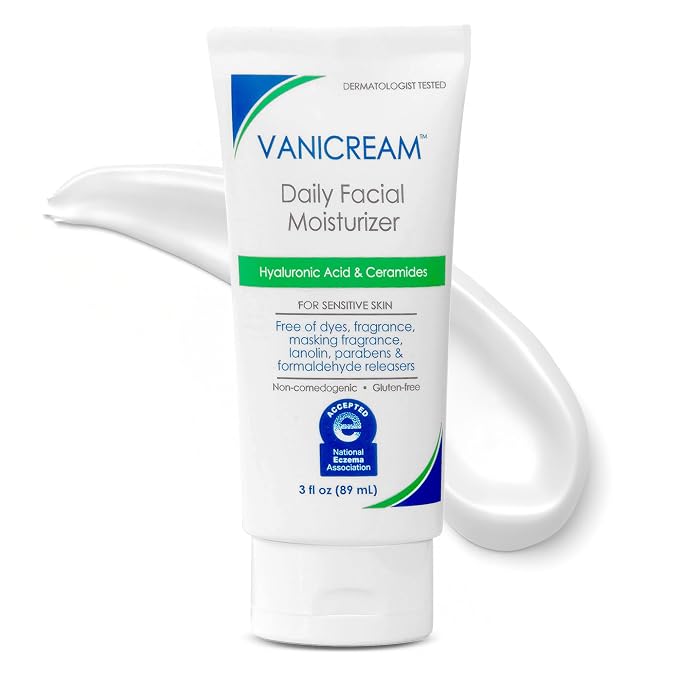
Vanicream Daily Facial Moisturizer
The no-fragrance, no-drama ceramide moisturizer dermatologists recommend for reactive skin.
📚 Sources & studies
- American Academy of Dermatology — How to safely exfoliate at home (over-exfoliated skin and barrier damage) View study ↗
This article is for informational purposes only and is not medical advice. Skincare products affect individuals differently — consult a board-certified dermatologist for concerns about your skin.