Is Silicone Actually Bad for Your Hair? What a 2025 Review Found
⚡ The 30-Second Version
- ✓"Silicone is bad for hair" is an oversimplification — a 2025 comprehensive review found the effect depends entirely on which type of silicone, not silicones as a category.
- ✓Water-soluble silicones (dimethicone copolyol, cyclomethicone, amodimethicone) rinse away cleanly and generally don't cause buildup.
- ✓Non-water-soluble silicones (plain dimethicone) can accumulate with heavy, frequent use — but occasional use and normal washing usually clears it fine.
- ✓If you want the smoothing benefit without buildup risk, look for 'water-soluble' or 'PEG-' prefixed silicones on the ingredient label instead of avoiding silicone entirely.
"Silicone-free" has been a haircare marketing badge for over a decade, built on the idea that silicones coat the hair shaft, block moisture, and cause buildup over time. Like a lot of skincare and haircare rules that get flattened into a single "bad ingredient" narrative, the real picture is more specific — and a lot less alarming than the marketing suggests.
Not all silicones are the same molecule
A comprehensive 2025 review of silicones in hair care, published in Skin Appendage Disorders, lays out the key distinction that most consumer advice skips entirely: silicones split into water-soluble and non-water-soluble types, and they behave differently on hair. Water-soluble silicones — dimethicone copolyol, PEG-8 dimethicone, cyclomethicone, and amodimethicone among them — rinse away cleanly with normal washing and generally don't leave meaningful residue behind, even with regular use. Non-water-soluble silicones, most commonly plain dimethicone, are harder to fully rinse out and are the ones actually capable of building up on hair with heavy, frequent application.
What silicones are doing when they work well
The reason silicones are used at all is real: they coat the hair shaft with a thin, smoothing film that reduces frizz, adds shine, and — in heat protectants specifically — provides a genuine thermal barrier. We've covered how much heat actually damages hair before, and silicone-based heat protectants are one of the more evidence-backed categories in haircare, not just a marketing layer. The smoothing effect people love from products like anti-frizz sprays is very often a silicone doing exactly what it's formulated to do.
When the 'silicone is bad' concern is actually valid
The buildup concern isn't a myth, it's just narrower than the blanket warning suggests. Heavy, non-water-soluble silicone used daily, especially without a clarifying shampoo in rotation, can genuinely accumulate and leave hair looking dull, weighed-down, or resistant to absorbing moisture from conditioners and masks. This is more likely to show up on fine or low-porosity hair, which is more prone to product buildup generally, than on coarse or high-porosity hair.
How to actually shop the ingredient list
Rather than avoiding every ingredient ending in '-cone,' check whether it's a water-soluble form (dimethicone copolyol, PEG/PPG-prefixed silicones, cyclomethicone) versus plain dimethicone or amodimethicone used heavily in a leave-in formula. If you do use heavier silicone products regularly, a clarifying shampoo every one to two weeks resets any buildup without needing to go fully silicone-free. There's no meaningful evidence that silicone-free formulas are healthier for hair as a category — plenty of silicone-free products simply substitute other film-forming ingredients (like certain waxes or plant oils) that can build up in exactly the same way.
The bottom line: "silicone-free" is a marketing simplification of a real but narrow concern. Water-soluble silicones rinse clean and rarely cause problems; heavy non-water-soluble silicone with no clarifying wash in rotation is the actual buildup risk. Check the specific ingredient, not just whether the word 'silicone' appears on the label.
Heads up: links below are affiliate links — we may earn a small commission at no extra cost to you. Learn more.
🛒 Featured in this post
 Amazon
COLOR WOW Dream Coat Anti-Frizz Spray
The glass-hair spray that waterproofs your blowout through humidity. A cult favorite with 109,000+ reviews.
 Amazon
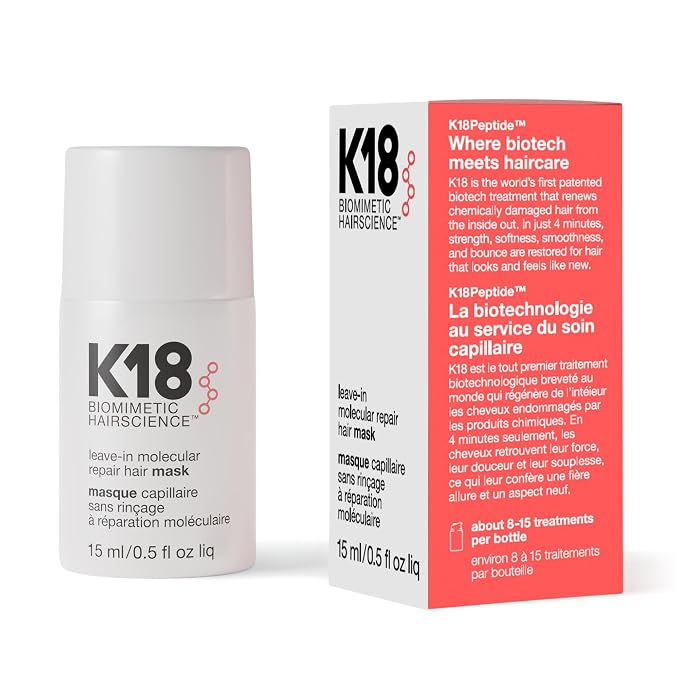
K18 Leave-In Molecular Repair Hair Mask
Four minutes, no rinse — patented peptide repair for bleach-damaged hair. Salons charge triple.
📚 Sources & studies
- de Melo Carvalho R et al., Skin Appendage Disord (2025) — With or without Silicones? A Comprehensive Review of Their Role in Hair Care View study ↗
This article is for informational purposes only and is not medical advice. Skincare products affect individuals differently — consult a board-certified dermatologist for concerns about your skin.