Rosemary Oil for Hair Growth: Hype, or Actually Studied?
⚡ The 30-Second Version
- ✓In a 6-month randomized trial, rosemary oil matched 2% minoxidil for hair count — with less scalp itch.
- ✓Neither group saw much at 3 months: this is a marathon, and one study isn't proof it replaces minoxidil.
- ✓Massage a few drops into the scalp (not the hair) several times a week, and commit for months.
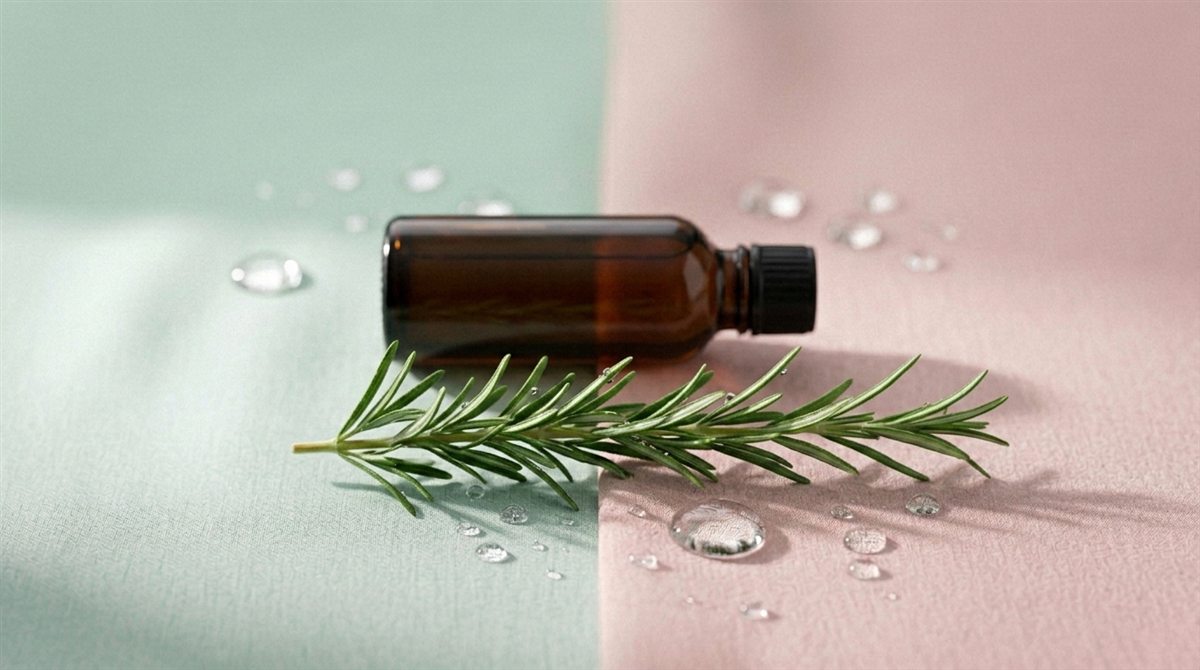
Rosemary oil is one of the few 'natural' hair remedies with an actual clinical trial behind it. In a 2015 randomized study, researchers compared rosemary oil against 2% minoxidil — the over-the-counter gold standard for pattern hair loss — over six months in people with androgenetic alopecia.
The result that made headlines: both groups saw a significant increase in hair count at six months, with no statistically significant difference between rosemary oil and minoxidil. Rosemary oil users also reported less scalp itching. That's a genuinely encouraging finding for one small study.
The honest caveats: it was a single trial, results took a full six months, and neither group saw much at the three-month mark — so this is a marathon, not a sprint. Rosemary oil isn't a proven replacement for minoxidil, but it's a low-risk thing to try, and the popular biotin-and-rosemary scalp oils are an easy way to do it.
Practical use: massage a few drops into the scalp (not just the hair) a few times a week. The massage itself boosts circulation, and consistency over months is the whole game with any hair-growth approach.
Heads up: links below are affiliate links — we may earn a small commission at no extra cost to you. Learn more.
🛒 Featured in this post
 Amazon
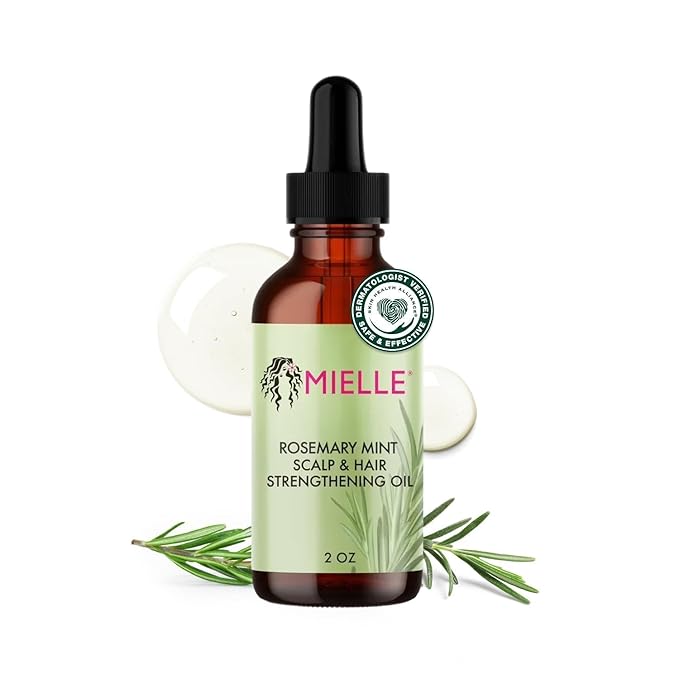
Mielle Rosemary Mint Strengthening Hair Oil
The viral scalp oil with 122,000+ reviews — biotin + rosemary for stronger, fuller-looking hair.
📚 Sources & studies
- Panahi Y et al., Skinmed (2015) — Rosemary oil vs minoxidil 2% for the treatment of androgenetic alopecia: a randomized comparative trial View study ↗
This article is for informational purposes only and is not medical advice. Skincare products affect individuals differently — consult a board-certified dermatologist for concerns about your skin.