Makeup for Dry Skin: Why It Cakes and Flakes (and How to Fix It for Good)
⚡ The 30-Second Version
- ✓Cakey, flaky makeup isn't your foundation's fault — it's dry skin underneath. Fix the skin first.
- ✓Prep is everything: hydrating serum → ceramide moisturizer → let it sink in before any base.
- ✓Choose dewy, cream, or hydrating formulas. Skip matte foundations, loose setting powder, and oil-free bases.
- ✓Cream products (blush, glow lotion, concealer) melt into dry skin; powders sit on top and cling to flakes.
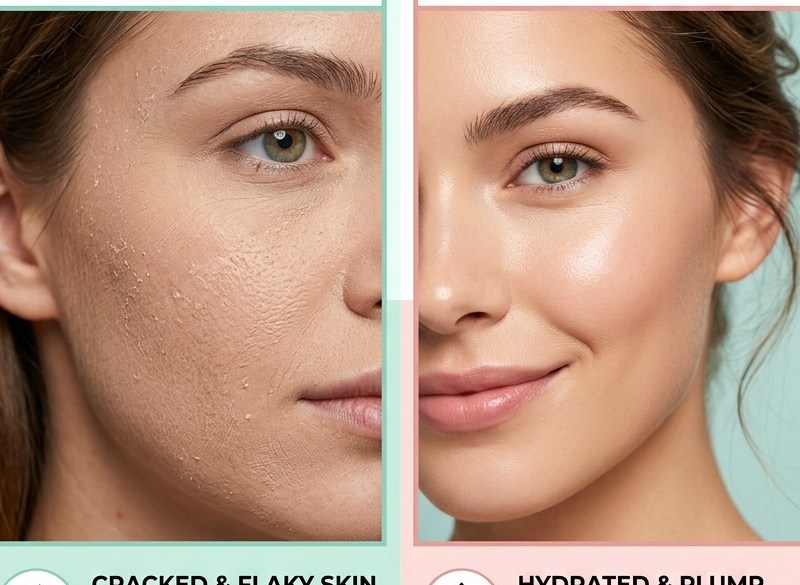
You know the look, because you've worn it: foundation that goes on fine at 8am and by lunchtime has gathered into flaky little patches, settled into every fine line, and gone weirdly matte-but-crusty around your nose. You blame the foundation. You buy a new one. Same result. Here's the frustrating truth — for most people with dry skin, the makeup was never the real problem. The canvas was.
Makeup is a top layer. It can only ever look as good as the skin underneath it, and dry skin is a uniquely unforgiving base: it has raised flakes for pigment to catch on, it drinks up the water in your foundation and leaves the rest sitting there, and it exaggerates every crease. The good news is that this is completely fixable — not with a magic product, but with the right prep and a few smart formula swaps. Let's break down exactly why dry skin sabotages makeup, and how to build a base that stays smooth and glowy all day.
Why dry skin wrecks makeup (the actual mechanism)
Dry skin is, at its core, a barrier problem. Your skin's outer layer is held together by lipids — think of them as mortar between bricks. When those lipids run low (from harsh cleansers, cold weather, over-exfoliating, or just genetics), the wall gets leaky: water escapes, the surface roughens, and dead cells lift into visible flakes instead of shedding smoothly. Dermatology guidance from the American Academy of Dermatology is blunt about the fix — dry skin needs gentle, fragrance-free care and rich, ingredient-driven moisturizers to rebuild that barrier.
Now layer makeup onto that rough, thirsty surface and two things go wrong. First, pigment physically catches on the raised flakes, so instead of an even veil you get patchy, emphasized dry spots — the technical term makeup artists use is 'clinging.' Second, dry skin acts like a sponge: it pulls the water out of your liquid foundation almost on contact, which makes the formula grab and set unevenly before you've had a chance to blend it. That's the 'cakey' effect. You didn't apply too much; the skin just destabilized the product.
There's a related culprit worth naming: dehydrated skin, which isn't quite the same as dry skin. Dry skin lacks oil; dehydrated skin lacks water. You can even be oily and dehydrated at once. But for makeup, the visible result overlaps — a compromised surface where foundation looks tight, flat, and flaky. Either way, the solution starts in the same place, and it's not the makeup bag.
Step one: fix the skin before you touch a brush
This is the part everyone skips, and it's the part that matters most. A flawless base is 80% skincare and 20% makeup. If you do nothing else from this article, do this.
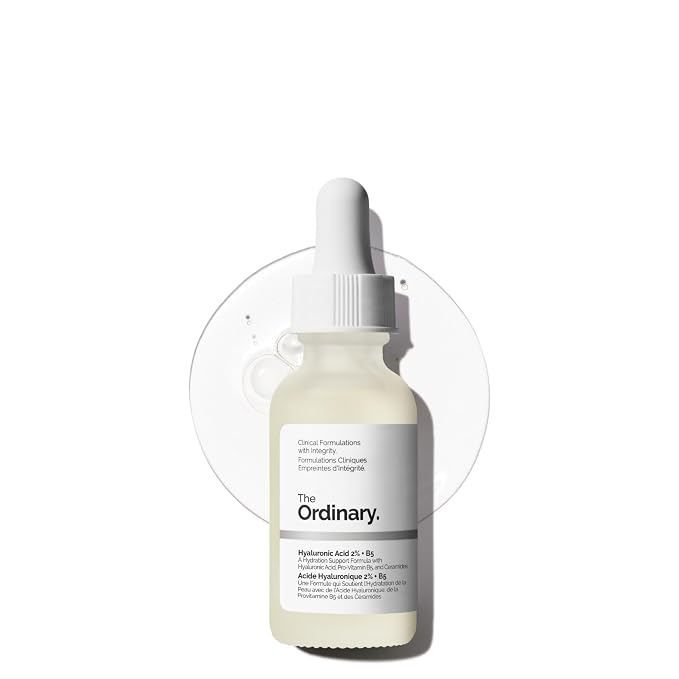
Start with a hydrating serum on slightly damp skin. Hyaluronic acid is the workhorse here — it's a humectant that pulls water into the upper layers of skin, plumping the surface so flakes lie flat and foundation has something smooth to sit on. The AAD lists hyaluronic acid and glycerin among the ingredients that genuinely relieve dryness. One important technique note we've covered before: apply HA to damp skin and always seal it, because on a bone-dry face in dry air it can actually pull moisture the wrong way.
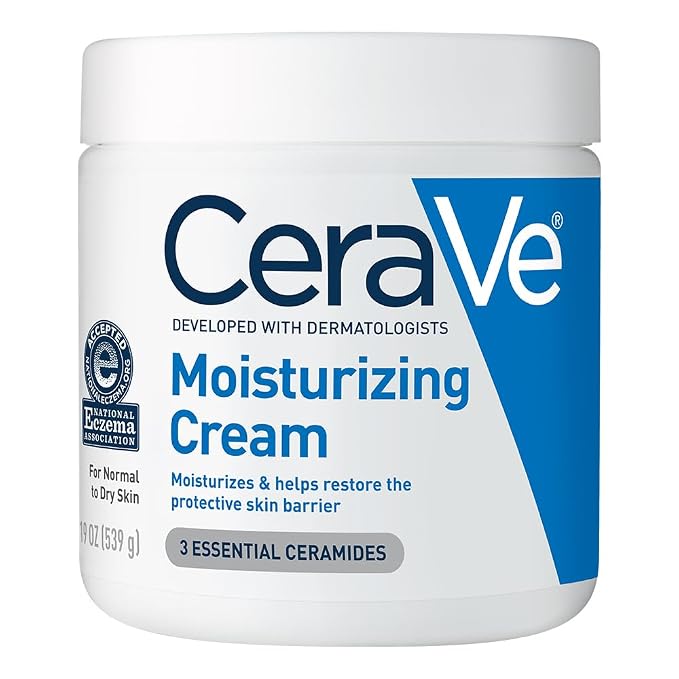
Then seal with a proper moisturizer — and for dry skin, richer is better. Dermatologists specifically recommend creams and ointments over thin lotions because they add and hold more moisture. A ceramide-based cream is ideal: ceramides are the exact lipids your barrier is missing, and clinical reviews show ceramide-containing moisturizers measurably reduce water loss and improve hydration over a few weeks. This is the cushion your makeup needs. Skipping it is the single most common reason makeup flakes.
The one rule that makes or breaks this step: wait. Give your serum and moisturizer three to five minutes to fully absorb before you go near foundation. Applying base onto wet, unabsorbed moisturizer is a recipe for it sliding, pilling, and separating. Do your brows, brush your teeth, make coffee — then start makeup. That short pause is free and it changes everything.
Step two: choose formulas that love dry skin
Half the battle is simply not buying products designed to fight you. Dry skin has clear friends and clear enemies in the makeup aisle.
Avoid these: matte foundations (they're engineered to absorb oil dry skin doesn't have, so they look flat and tight), oil-free 'long-wear' bases (same problem), and — this is the big one — loose setting powder all over the face. Powder is the fastest way to turn dewy skin chalky and drag every flake into sharp focus. If you've been dusting powder everywhere to 'set' your makeup, that habit alone may be your whole problem.
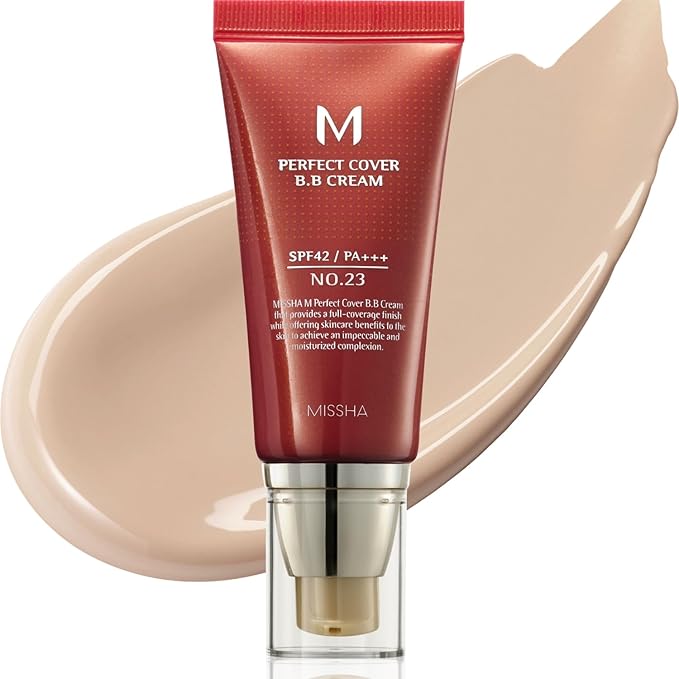
Reach for these instead: dewy or 'radiant-finish' liquid foundations, tinted moisturizers, and BB creams, ideally with hyaluronic acid, glycerin, or facial oils in the formula. A BB cream is a smart pick for dry skin specifically because it blurs the line between skincare and makeup — it delivers light, natural coverage with added hydration and often SPF, so you're moisturizing and covering in one gentle step rather than layering a heavy full-coverage base.
The bigger principle: cream beats powder for dry skin, every single time. Cream and liquid products contain emollients that melt into the skin and move with it; powder products sit on top of the surface and settle into texture. This one swap — choosing cream versions of your blush, bronzer, highlighter, and even your base — solves the majority of dry-skin makeup complaints on its own.
The ingredient labels that matter (and the ones that lie)
You don't need a chemistry degree to shop smarter — you need to recognize a handful of words on the back of the bottle. On the friend list: hyaluronic acid, glycerin, squalane, and any named facial oil (jojoba, argan) all pull or hold water and keep a base flexible instead of tight. Dimethicone, a silicone, isn't hydrating but it fills in texture and gives a smooth slip, which is why it shows up in so many primers and dewy foundations — genuinely useful for dry skin as long as it sits over a hydrated base, not a dry one.
On the enemy list, the words are just as consistent: 'matte,' 'oil-control,' 'mattifying,' 'transfer-proof,' and '24-hour long-wear' almost always signal a formula built to absorb oil and lock down flat — exactly wrong for dry skin. Alcohol high on an ingredient list (listed as alcohol denat. or SD alcohol) can also be drying enough to undo your prep. And watch the marketing trap on the front of the bottle: 'hydrating' is not a regulated claim, so a foundation can say it while still being a matte formula. Flip to the finish description — 'dewy,' 'radiant,' 'luminous,' or 'satin' is what you actually want; 'matte' or 'velvet' is the tell to put it back.
This is also why BB creams and tinted moisturizers reward dry skin more than full-coverage foundations. They're formulated skincare-first, so the base of the product is doing hydrating work while it evens out tone. You give up some coverage, but for dry skin that trade is almost always worth it — heavy pigment needs more product, and more product on dry skin means more to flake.
Step three: the technique that keeps it flawless
With good skin prep and the right formulas, your technique can be simple. A few habits do the heavy lifting.
Apply base with warmth and pressing, not dragging. Use your fingers or a damp sponge and press the product into the skin rather than sweeping a brush back and forth. Sweeping lifts flakes; pressing lays product down over them. A slightly damp makeup sponge is dry skin's best friend because it sheers out the formula and adds a touch of moisture as you go.
Use color from cream, not powder. A cream blush pressed onto the cheeks gives a lit-from-within flush that looks like real skin, while powder blush on dry cheeks reads as a dry, sitting-on-top patch. The same logic applies to bronzer and highlighter — cream and liquid formulas keep everything looking like skin instead of makeup. A multi-use cream stick or a liquid glow lotion can do cheeks and a dab on the high points of the face in seconds.
Conceal strategically and hydrate as you go. Under-eyes and around the nose are where dryness shows most, so reach for a hydrating, creamy concealer rather than a thick, drying full-coverage one, and use the smallest amount that does the job. Layering lots of product to 'cover' a dry patch always backfires — it just gives more product to crack. Less, pressed in well, over well-prepped skin, wins.
Set selectively, if at all. If you feel you must set something so it lasts, set only the small zones that actually move — the center of the T-zone, under the eyes to stop concealer creasing — with the tiniest amount of finely-milled powder, and leave the rest of the face dewy. Then finish with a hydrating setting spray rather than a mattifying one. The spray melts any powder edges back into the skin and brings back the glow.
A realistic dry-skin face, start to finish
Putting it together, here's what a smooth, non-flaky routine actually looks like — and none of it is complicated. Cleanse gently. Apply a hydrating serum to damp skin. Seal with a ceramide cream. Wait five minutes. Press on a dewy BB cream or tinted moisturizer with a damp sponge. Add a liquid glow lotion on the high points and a cream blush on the cheeks. Spot-conceal under the eyes with a hydrating formula, pressed in. Set only where you need to, then mist a hydrating setting spray. That's it — a base that looks like skin and stays put.
Notice how much of that is skincare and how little is 'makeup technique.' That ratio is the whole secret. People spend years buying new foundations trying to fix a problem that a hydrating serum and a wait-five-minutes habit would have solved on day one.
Fixing flakes mid-day (without starting over)
Even with perfect prep, a long day, dry office air, or a plane cabin can bring dryness back by mid-afternoon. The instinct is to add more powder to 'freshen up' — which is the worst possible move, because it piles dry product onto an already-dry surface and turns a small patch into a crusty one. Do the opposite.
Reach for hydration, not coverage. Mist a hydrating setting spray over the whole face and gently press it in with clean fingertips or a damp sponge; the moisture re-melts settled makeup and revives the glow without disturbing your base. For a stubborn flaky spot, a tiny dab of a lightweight facial oil or even your hand cream pressed (not rubbed) onto the area will soften the flake and let the makeup sit back down. If you carry one thing for touch-ups, make it a small setting-spray mist rather than a compact of powder.
And prevent the worst offender before it starts: don't over-exfoliate the day before a big makeup day. Fresh acid or scrub use leaves the surface tender and more prone to flaking, so it's the last thing you want under foundation. Give exfoliated skin a night or two to recover, keep it well moisturized, and your base will thank you.
When it's not just makeup
One honest caveat. If your skin is persistently flaky, tight, itchy, or cracking no matter how much you moisturize, that can point to an underlying issue — an over-stripped barrier, eczema, or a reaction to a product — that no amount of clever makeup will cover. The AAD's guidance is worth following even on no-makeup days: short lukewarm showers, fragrance-free cleansers, and rich moisturizer applied to damp skin. If dryness doesn't improve with consistent barrier care over a few weeks, a board-certified dermatologist can figure out what's actually going on. Great makeup starts with healthy skin, not the other way around.
The bottom line: stop blaming your foundation and start feeding your skin. Hydrate, moisturize, wait, and choose cream over powder — do those four things and dry, flaky, cakey makeup mostly stops being a problem you have to manage. The most flawless base isn't a product you haven't found yet. It's the ten minutes of prep before you ever open one.
Heads up: links below are affiliate links — we may earn a small commission at no extra cost to you. Learn more.
🛒 Featured in this post
 Amazon
The Ordinary Hyaluronic Acid 2% + B5
Multi-depth hydration serum that plumps fine lines before moisturizer. 37,000+ reviews.
 Amazon
CeraVe Moisturizing Cream (19 oz)
The big tub of ceramide cream for face and body — 145,000+ reviews and a derm-office staple.
 Amazon
MISSHA M Perfect Cover BB Cream
The original K-beauty BB cream — skincare, SPF 42 and natural coverage in one tube. 29,000+ reviews.
 Amazon
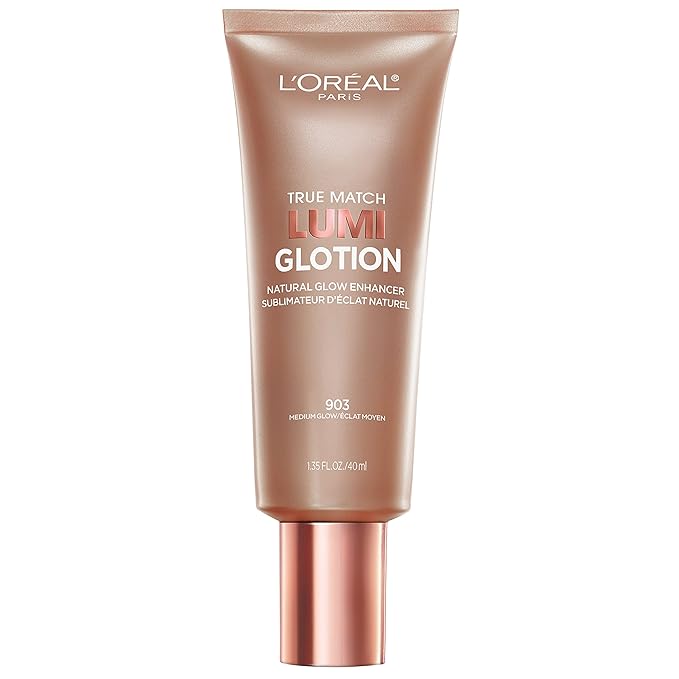
L'Oréal True Match Lumi Glotion
The viral glow lotion — wear it alone for lit-from-within skin or under foundation as a luminizer.
 Amazon
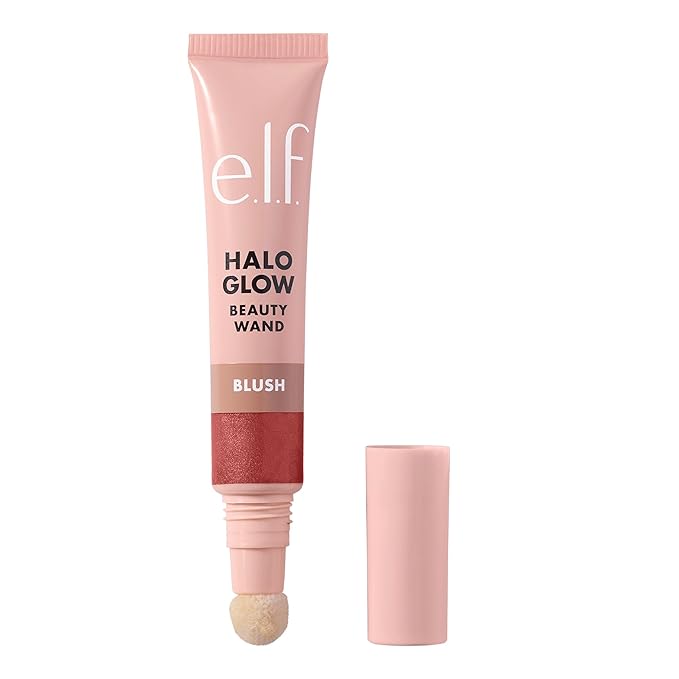
e.l.f. Halo Glow Blush Beauty Wand
The $9 liquid blush that went viral for a reason: squalane-infused, blends with one fingertip for a lit-from-within flush.
 Amazon
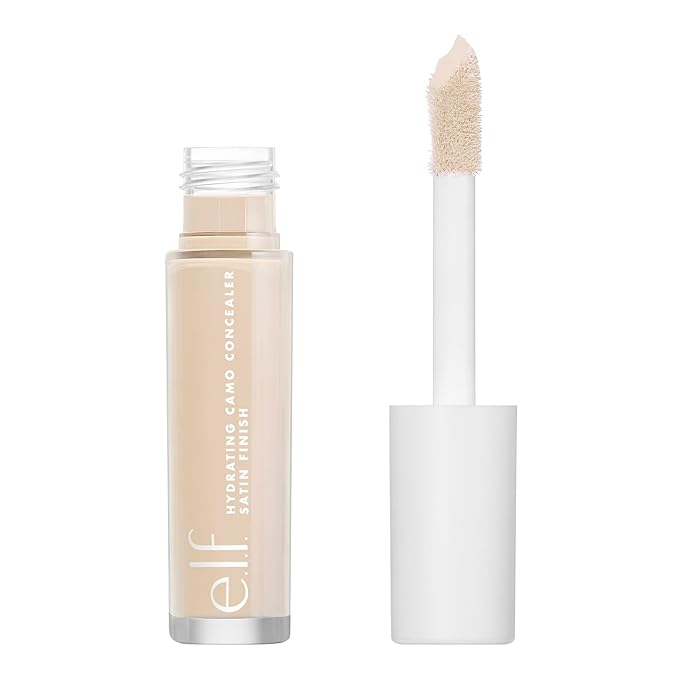
e.l.f. Hydrating Camo Concealer
Full coverage that doesn't crack or dry out — the $7 concealer TikTok compares to $30 brands.
📚 Sources & studies
- American Academy of Dermatology — Dermatologists' top tips for relieving dry skin (fragrance-free care, creams over lotions, humectants) View study ↗
- American Academy of Dermatology — How to pick the right moisturizer (hyaluronic acid, glycerin, ceramides for dry skin) View study ↗
- Spada F et al., Clin Cosmet Investig Dermatol (2018) — Skin hydration and barrier function of ceramide-containing formulations (the hydration base) View study ↗
This article is for informational purposes only and is not medical advice. Skincare products affect individuals differently — consult a board-certified dermatologist for concerns about your skin.