LED Light Therapy Masks: What the Research Actually Shows (and What It Doesn't)
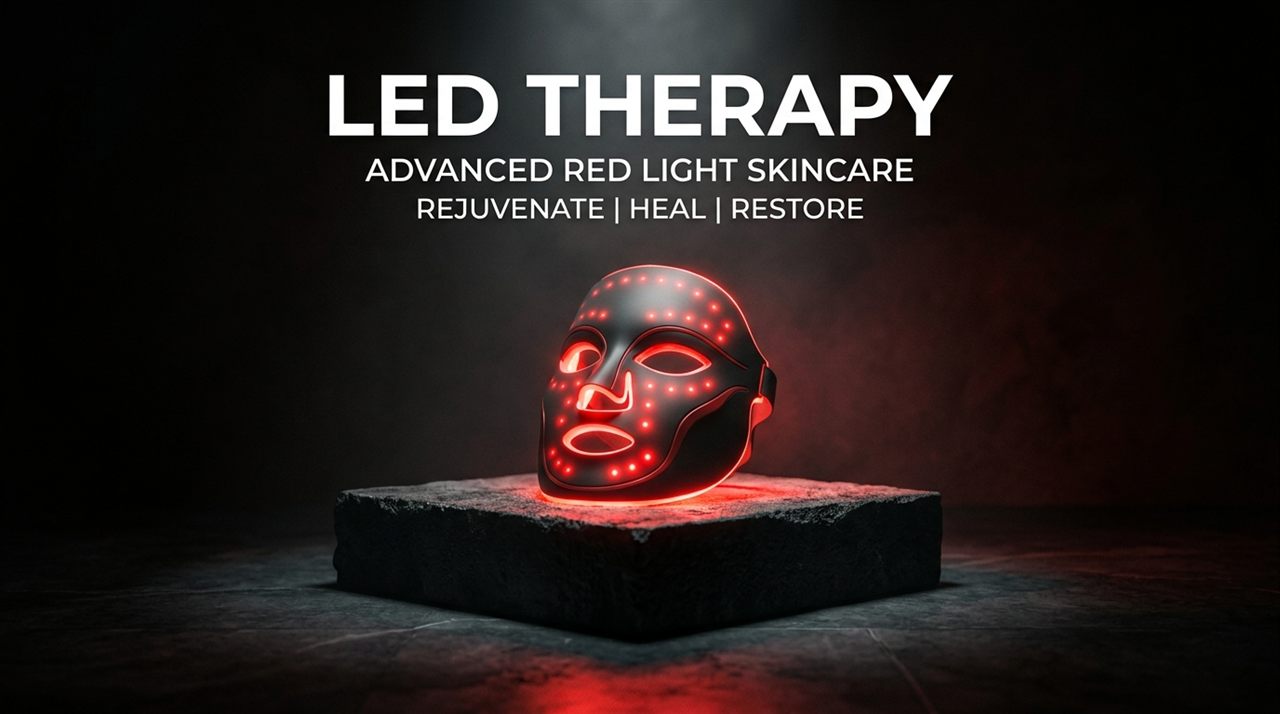
⚡ The 30-Second Version
- ✓LED masks use photobiomodulation — specific light wavelengths that stimulate cellular activity — not heat or UV, which is why they're marketed as safe for regular use.
- ✓A 2023 randomized controlled trial in 137 women found red and amber LED light reduced periocular (under-eye) wrinkle volume by 30% over 4 weeks of sessions.
- ✓The gap between clinical devices and $90–160 at-home masks is real — lower LED count and power output means slower, more modest results, not zero results.
- ✓Consistency matters more than device price: sessions several times a week, sustained over months, is what the underlying research actually tested.
LED face masks occupy a strange space in skincare — they look like a gimmick, cost anywhere from under $100 to well over $400, and yet the underlying mechanism has genuine peer-reviewed research behind it. The honest question isn't whether the science is real; it's whether the mask you can actually afford delivers enough of it to matter.
The mechanism: photobiomodulation, not heat or UV
LED therapy works through photobiomodulation — specific wavelengths of light (commonly red, around 630–660nm, and near-infrared, around 830–850nm) that are absorbed by mitochondria in skin cells and appear to stimulate cellular energy production and downstream processes like collagen synthesis. This is fundamentally different from a laser or IPL device, which uses heat to damage and trigger repair — LED light therapy doesn't heat or injure skin, which is the basis for its 'safe for frequent home use' positioning and why it doesn't carry the same downtime or risk profile as in-office energy devices.
The evidence: a real, recent RCT
A 2023 randomized controlled trial recruited 137 women aged 40 to 65 and tested red (660nm) and amber (590nm) LED protocols across 10 sessions over 4 weeks, specifically measuring periocular (under-eye and crow's-feet area) wrinkle volume. The result: a statistically significant 30% reduction in periocular wrinkle volume in the treated group. This is a genuinely solid data point — a real RCT, a decent sample size, and an objective volumetric measurement rather than self-reported 'skin looks better.'
Where the honest gap is
Clinical and research-grade LED devices deliver light at a specific, calibrated power output (irradiance) that at-home masks generally don't match — a $90–160 consumer mask has fewer LEDs and lower output than devices used in published trials or professional settings. That doesn't mean an at-home mask does nothing; the mechanism is the same physics, just delivered at a lower dose. It means results are likely to be slower and more modest than the exact numbers in a clinical trial, which used a specific protocol most consumer devices don't precisely replicate. Be skeptical of any at-home mask claiming to match or exceed clinical trial results in less time.
How to actually use one
Consistency is the entire game with photobiomodulation — the trial protocol was multiple sessions per week sustained over a month, and most dermatology guidance on LED therapy echoes that pattern: this is a cumulative-effect tool, not a one-and-done treatment. Follow your specific mask's recommended session length and frequency exactly, protect your eyes if the mask doesn't have built-in eye protection, and set your expectation at 'gradual improvement over 8-12+ weeks of consistent use,' the same patience window as any other legitimate skin-renewal active.
The bottom line: LED light therapy's underlying science, photobiomodulation, has real randomized-trial support, including a solid 2023 study showing a 30% reduction in under-eye wrinkle volume. At-home masks apply the same real mechanism at a lower dose than clinical devices — expect real but more modest, slower results, and treat consistency as non-negotiable.
Heads up: links below are affiliate links — we may earn a small commission at no extra cost to you. Learn more.
🛒 Featured in this post
 Amazon
INIA Red Light Therapy Face Mask (850nm NIR)
A rechargeable at-home red + near-infrared LED mask with 220 medical-adjacent LEDs — the budget-friendly way to try photobiomodulation without a $455 device. 1,200+ reviews.
📚 Sources & studies
- Randomized Controlled Trial, PMID 36780572 — Photobiomodulation Reduces Periocular Wrinkle Volume by 30%: A Randomized Controlled Trial View study ↗
This article is for informational purposes only and is not medical advice. Skincare products affect individuals differently — consult a board-certified dermatologist for concerns about your skin.