Is Your $120 Moisturizer Just $12 Skincare in Fancy Packaging? What the Ingredient List Really Says
⚡ The 30-Second Version
- ✓A $325 jar of La Mer and a ~$15 tub of CeraVe share the same core hydrating actives — glycerin, petrolatum/occlusives, and ceramides — because there are only so many molecules that actually hydrate skin.
- ✓What you pay extra for is usually texture, fragrance, packaging, and brand experience — not superior results. Dermatologists routinely say you don't need to spend a lot on a moisturizer.
- ✓The one place price can occasionally buy something real is a patented active-ingredient formulation or delivery system — but that's the exception, and it's rarely the moisturizer.
- ✓Read the first 5 ingredients and the actives, not the price tag. If a $12 product and a $120 product list the same actives at similar spots, your skin can't tell the difference.
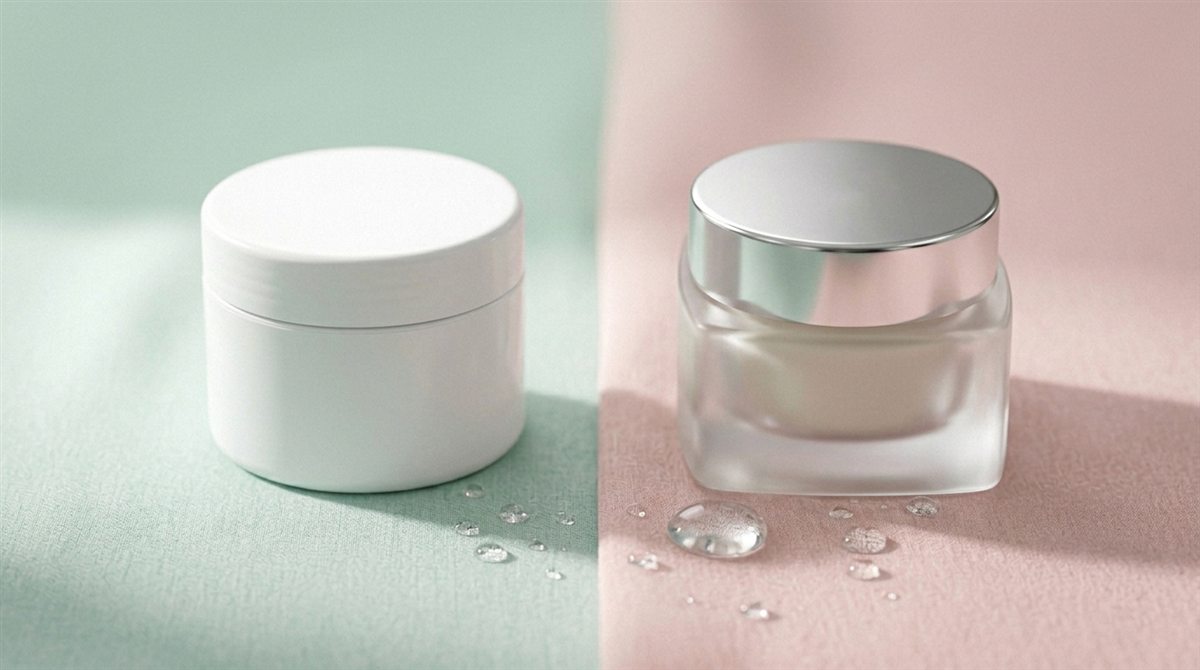
Picture two moisturizers side by side. One comes in a heavy frosted-glass jar, costs $325 for two ounces, and promises to transform your skin with a proprietary 'miracle broth.' The other comes in a plain plastic tub, costs around $15, and is stocked next to the bandages at the drugstore. The story you're told is that these are fundamentally different products for fundamentally different results. Then you do the one thing the marketing hopes you won't: you flip both jars over and read the ingredient lists. And they look... unnervingly similar.
This is one of the most useful — and most quietly infuriating — facts in all of skincare: a huge amount of what makes a product 'luxury' has nothing to do with what it does to your face. To be clear, this isn't a conspiracy theory, and it doesn't mean every expensive product is a rip-off or every cheap one is secretly amazing. It means the relationship between price and performance in skincare is far weaker than the packaging implies, and once you know how to read past the price tag, you can stop overpaying for results you could get for a tenth of the cost.
There's a term the industry uses that makes this vivid: a 'dupe' — a cheaper product that duplicates the formula or results of a pricey one. Dupe culture has exploded precisely because people keep discovering, over and over, that the emperor's expensive cream and the drugstore tub perform the same. But you don't actually need someone else to hand you a dupe list; the more empowering move is to understand why dupes exist in the first place, so you can spot the equivalence yourself on any shelf, for any product, instead of waiting for a viral video to tell you which $12 item matches which $120 one. That's the difference between being handed a fish and learning to read a label.
Why the ingredient lists keep rhyming
Here's the underlying reason a $325 cream and a $15 cream often share a skeleton: there are only so many molecules that actually hydrate and protect skin, and they're not secret. The workhorses of virtually every good moisturizer fall into three buckets — humectants that pull in water (glycerin, hyaluronic acid), emollients and occlusives that seal it in (petrolatum, dimethicone, plant oils), and barrier-repair lipids (ceramides). These ingredients are well understood, widely available, and cheap. No brand, however prestigious, has a monopoly on glycerin.
This is exactly why a famous $325 luxury cream and a famous ~$15 drugstore tub end up sharing their core actives: both lean on glycerin, occlusives like petrolatum, and panthenol as base hydrators, because those are the things that genuinely work. In fact, when dermatologists and formulators compare the two, the drugstore version sometimes comes out ahead on the metric that matters most — the affordable cream is often built around multiple types of ceramides for proven barrier repair, while the luxury jar leans on a proprietary extract whose main documented effect is 'it's proprietary.' The expensive product isn't doing something the cheap one can't; it's frequently doing the same thing with a better story.
So what ARE you paying the extra $300 for?
If the actives are so similar, where does the money go? Into very real things — they're just mostly not skin results. You're paying for texture and sensory experience: luxury creams often feel more elegant, absorb more beautifully, and are a genuine pleasure to apply, because brands invest heavily in the 'skin feel' of a formula. You're paying for fragrance and aesthetic — a signature scent, a weighty jar, a satisfying lid. You're paying for packaging and marketing: the glass, the gold lettering, the ad campaigns, the counter in the department store. And you're paying for the brand experience itself, the intangible sense that you're using something special.
None of that is fake or worthless — a product you love the feel of is a product you'll actually use consistently, and consistency is what gets results. If a $120 cream genuinely brings you joy and fits your budget, that's a legitimate reason to buy it. The problem is only when you believe the price is buying you superior skin outcomes. As one board-certified dermatologist put it bluntly, you really don't need to spend a lot of money on fancy moisturizers. The expensive jar is often selling an experience with skincare attached, not skincare with an experience attached.
It's also worth naming the psychology, because it's powerful and it's deliberately cultivated: price itself changes how effective we believe (and even perceive) a product to be. This is the placebo of prestige — the same cream feels more luxurious, more 'working,' when we've paid more for it and it comes in a heavier jar. Marketers know this intimately, which is why so much of the spend goes into weight, texture, scent, and ritual rather than actives. There's no shame in enjoying that ritual; a skincare routine that feels like a small daily luxury is genuinely good for the part of 'self-care' that isn't about your stratum corneum. Just keep the two ledgers separate in your head: what you're paying for your skin, and what you're paying for the feeling. Confusing the second for the first is precisely how a $12 result ends up costing $120.
The exception: when price occasionally buys something real
Now, in fairness, let's not overcorrect into 'all expensive skincare is a scam,' because that's its own myth. There is a category where a higher price can reflect genuine added value: patented, well-studied active formulations and delivery systems. A serum built around a specific, clinically tested concentration of an active — a particular stabilized vitamin C, a patented peptide complex, an encapsulated retinoid designed for slow release and less irritation — can represent real research-and-development money and can outperform a bargain-bin version of the 'same' active. Formulation and stability genuinely matter, especially for finicky actives like vitamin C and retinoids.
But notice the pattern: this exception lives in the world of active treatment serums, not basic moisturizers. Hydration is close to a solved problem — glycerin and ceramides work and cost pennies — so paying luxury prices for a moisturizer is the weakest case for spending up. If you're going to allocate more money anywhere in your routine, a well-formulated active serum is a more defensible splurge than a fancy cream. And even then, plenty of mid-priced and drugstore actives (a $6 niacinamide, an affordable adapalene) are excellent, so 'expensive' still isn't a reliable proxy for 'better.'
How to read a label like you're not being marketed to
The good news is that seeing through all this doesn't require a chemistry degree — just a habit. When you're comparing two products, ignore the front of the package entirely (the price, the claims, the aspirational name) and read the back. Look at the first five ingredients, which make up the bulk of any formula, and then find the actives. If a $12 moisturizer and a $120 moisturizer both list water, glycerin, and similar occlusives up top, and both feature ceramides or the same star active at comparable positions, your skin is going to get a very similar experience from both. The price gap is buying feel and story, not function.
A few specific green and red flags help. Green flag: the beneficial actives appear high in the list, at meaningful positions, in a product that costs whatever it costs. Red flag: an exotic, heavily marketed 'hero' ingredient appears near the very bottom of the list — below the water, glycerin, and thickeners — which means there's a pixie-dust sprinkle of it for the label and not enough to do much. Another red flag is a luxury price justified entirely by a proprietary extract with a poetic name and no specificity about what it does. When the story is doing more work than the ingredient list, you're paying for the story.
The marketing words that cost extra and mean nothing
Part of what inflates skincare prices is a vocabulary of impressive-sounding terms that are largely unregulated and, on their own, tell you nothing about performance. 'Clean,' 'natural,' 'dermatologist-developed,' 'clinically proven,' 'anti-aging complex,' 'infused with' — these phrases feel like guarantees of quality, but most of them have no fixed legal definition and no required standard behind them. A product can say 'clinically proven' based on a tiny company-run study with vague endpoints, and 'infused with [botanical extract]' when there's a fraction of a percent of that botanical sitting near the bottom of the ingredient list doing essentially nothing. The words are doing marketing work, not skincare work.
'Natural' and 'clean' deserve special suspicion because they command a genuine price premium while often delivering, at best, the same results and, at worst, more irritation — many botanical extracts and essential oils are common triggers for sensitivity. Paying more for a 'clean' label is frequently paying for a story about purity rather than a better-performing formula. None of this means a premium product is automatically bad; it means the marketing language on the front is not evidence of anything. The evidence, as always, is on the back, in the ingredient list, where glycerin is glycerin whether the front of the jar whispers 'luxury' or shouts 'natural.'
A tale of two ingredient lists
To make this concrete, imagine comparing a prestige moisturizer and a drugstore one the smart way — line by line. At the top of both, you'll typically find water, then a humectant like glycerin, then some combination of emollients and occlusives (an oil or two, maybe dimethicone, maybe petrolatum) and thickeners. That opening cast, the bulk of the product, is where the actual moisturizing happens, and it's remarkably consistent across price points because these are the ingredients that work. If both lists open with the same basic hydrating machinery, you've already found the punchline: the fundamental job is being done by near-identical parts.
The divergence, when there is one, shows up lower down and in the marketing: the prestige jar adds its signature proprietary extract (the 'miracle broth,' the patented complex, the exotic botanical) and a more sophisticated fragrance and sensory package, while the affordable tub might add functional extras like extra ceramides, niacinamide, or panthenol. Ask yourself which of those additions has more evidence behind it — a poetic proprietary extract, or three types of barrier-repairing ceramides — and the value proposition often flips entirely. Reading two labels side by side is genuinely the fastest way to inoculate yourself against price-based assumptions; do it once in a store and you'll never un-see it.
Building a routine that spends money where it counts
So how do you actually use this? Not by refusing to ever buy something nice — by spending deliberately. A smart, evidence-based approach is to go inexpensive on the things where price genuinely doesn't buy performance, and reserve any splurging for the rare cases where formulation might. In practice that means: your cleanser, your basic moisturizer, and your everyday hydrators can absolutely be drugstore, because those categories are close to solved and the affordable versions are often formulated by the same cosmetic chemists as the pricey ones. A ceramide moisturizer, a gentle cleanser, and a $6 niacinamide will carry most routines beautifully.
Then, if you want to spend more, spend it thoughtfully on a treatment step where formulation and stability matter — a well-made active serum you'll actually use consistently — rather than on the jar with the most impressive lid. And if you simply love a luxury product for how it feels and it brings you genuine pleasure, buy it with clear eyes: you're buying an experience, and there's nothing wrong with that as long as you're not under the illusion that the price bought your skin something the drugstore couldn't. The worst outcome isn't spending money on skincare — it's spending a lot and getting the exact same result you'd have gotten for $15.
The bottom line: price and performance in skincare are only loosely related, especially for moisturizers, where a $15 tub and a $325 jar often share the same hydrating actives. You're usually paying extra for texture, fragrance, packaging, and brand — real things, but not better skin. Read the actives, not the price, and save your splurges for the rare formulations that earn them.
Heads up: links below are affiliate links — we may earn a small commission at no extra cost to you. Learn more.
🛒 Featured in this post
 Amazon
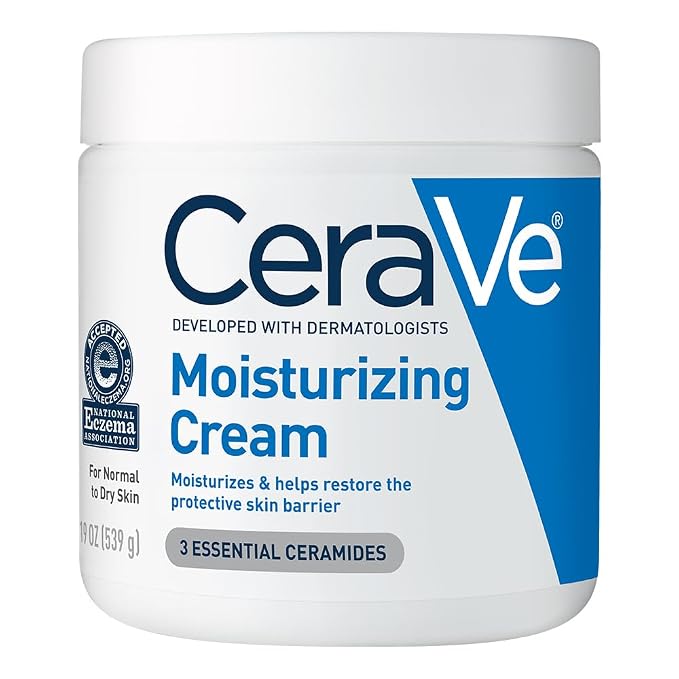
CeraVe Moisturizing Cream (19 oz)
The big tub of ceramide cream for face and body — 145,000+ reviews and a derm-office staple.
 Amazon
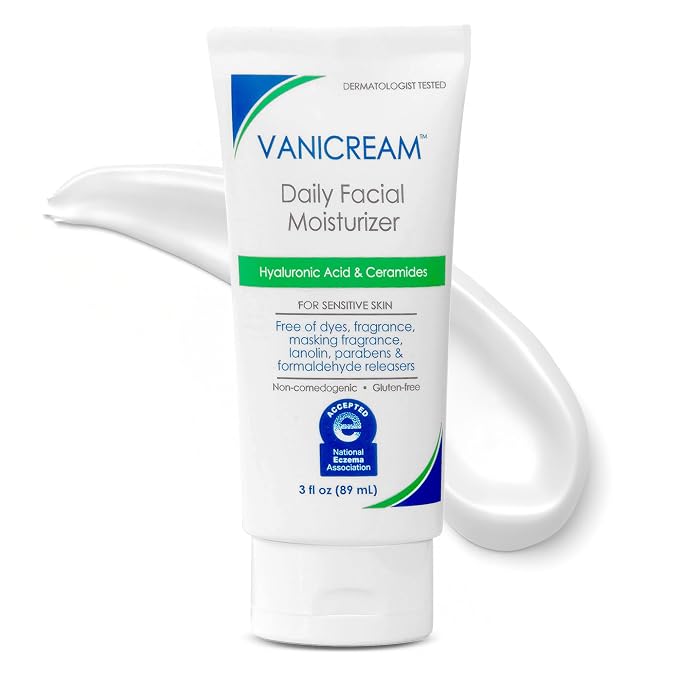
Vanicream Daily Facial Moisturizer
The no-fragrance, no-drama ceramide moisturizer dermatologists recommend for reactive skin.
 Amazon
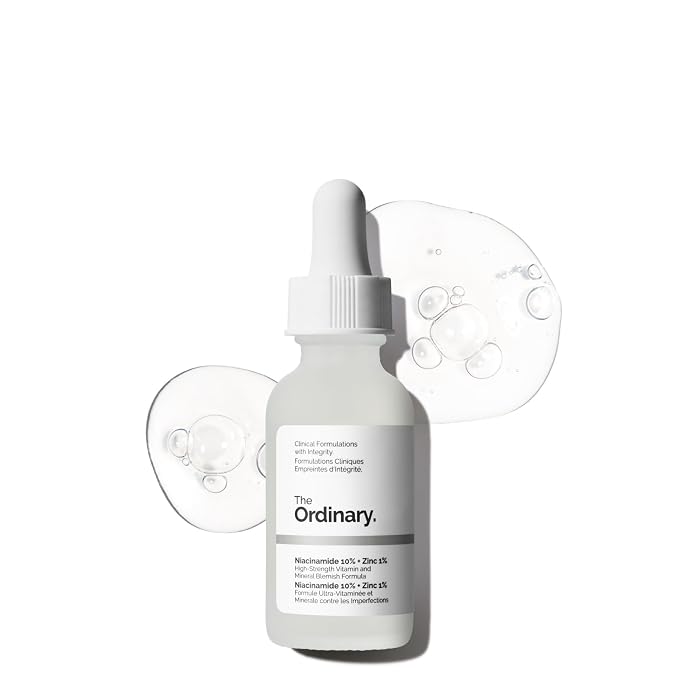
The Ordinary Niacinamide 10% + Zinc 1%
The $6 serum for oil and blemish control that lives in half the skincare routines on the internet.
 Amazon
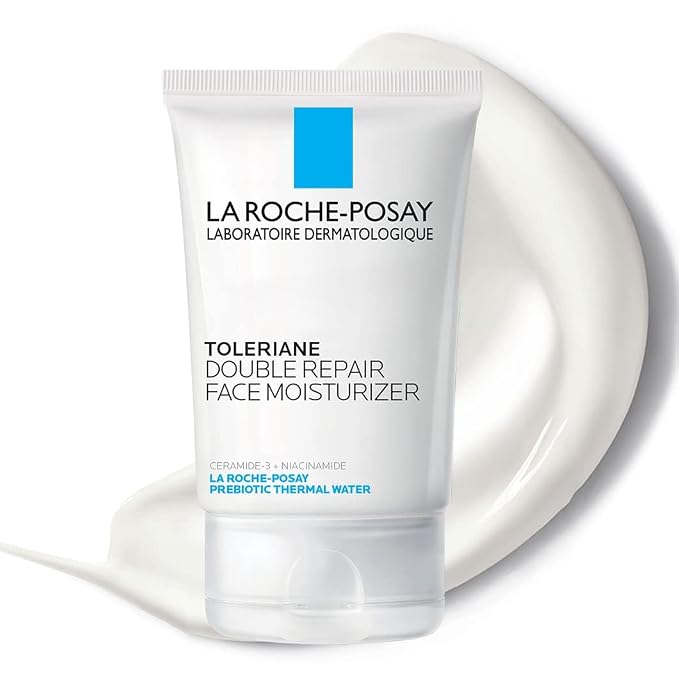
La Roche-Posay Toleriane Double Repair Moisturizer
French-pharmacy classic with ceramides + niacinamide that restores the skin barrier. 50,000+ reviews.
📚 Sources & studies
- American Academy of Dermatology — How to select anti-aging skin care products (actives matter more than price) View study ↗
- Spada F et al., Clin Cosmet Investig Dermatol (2018) — Skin hydration and barrier function of ceramide-containing formulations (why affordable ceramide creams perform) View study ↗
This article is for informational purposes only and is not medical advice. Skincare products affect individuals differently — consult a board-certified dermatologist for concerns about your skin.