Copper Peptides (GHK-Cu): The 40-Year-Old Peptide Outperforming Vitamin C in One Study
⚡ The 30-Second Version
- ✓GHK-Cu (copper peptide) is a naturally occurring tripeptide bound to copper, with more than four decades of research behind it — longer than most trendy peptides.
- ✓In a notable comparative study, collagen production increased in 70% of women using a GHK-Cu cream, versus 50% using vitamin C and 40% using retinoic acid — a striking result given retinoids are usually the benchmark.
- ✓Mechanism is two-pronged: it stimulates new collagen while also modulating the enzymes that break old collagen down — working both ends of the turnover cycle.
- ✓Realistic use: a copper peptide serum layered into a normal routine, patience over 8-12 weeks — not a replacement for a retinoid, but a genuinely well-studied complement.
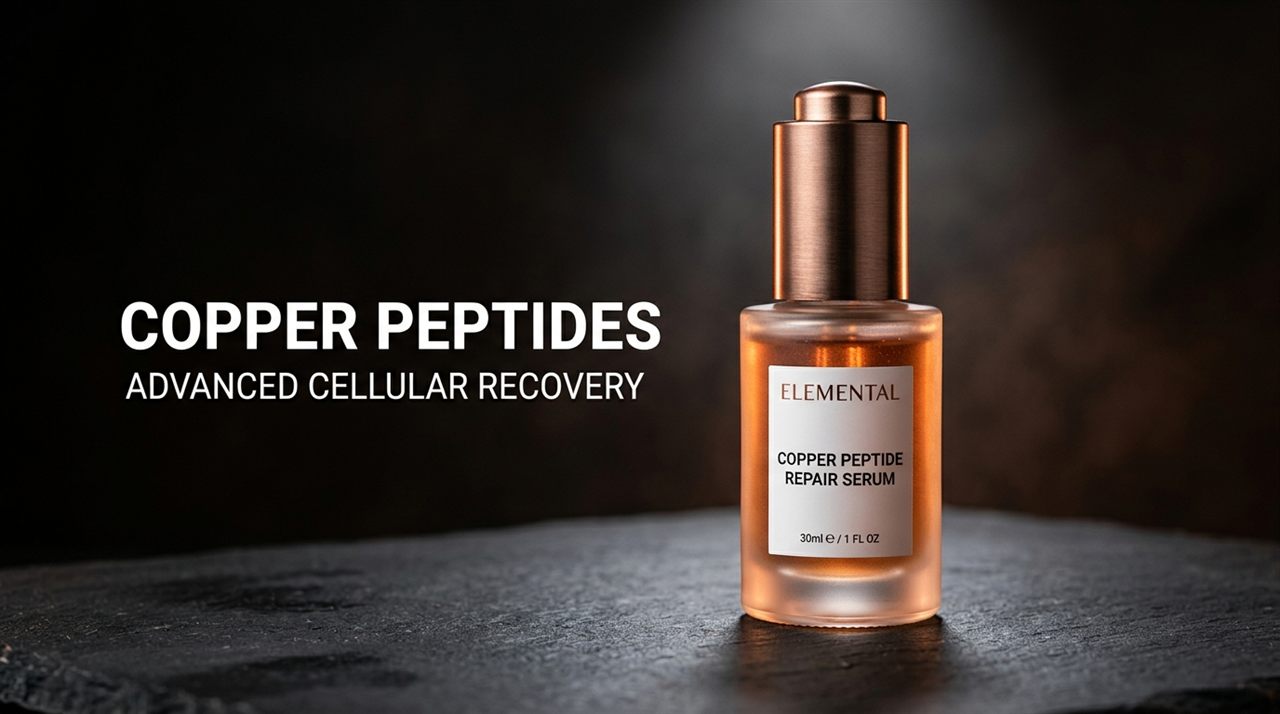
Copper peptide serums have surged across Korean skincare shelves recently, often marketed like a brand-new discovery. The ingredient itself is anything but new — GHK-Cu has research history going back over four decades, which makes it one of the most studied peptides in the entire anti-aging category, trendy branding aside.
What GHK-Cu actually is
GHK-Cu is a naturally occurring tripeptide (a chain of three amino acids: glycine-histidine-lysine) bound to a copper ion. It occurs naturally in human plasma, and levels decline as skin ages — which is part of the biological rationale for supplementing it topically. Unlike single-mechanism ingredients, GHK-Cu works on two fronts simultaneously: it stimulates fibroblasts to produce new collagen, while also modulating matrix metalloproteinases (MMPs) — the enzymes responsible for breaking old collagen down — essentially working both the 'build' and 'protect' sides of collagen turnover at once.
The comparative study that gets cited constantly
The single most-cited data point for copper peptides comes from a comparative study where collagen production increased in 70% of women treated with a GHK-Cu cream over one month, compared to 50% treated with a vitamin C cream and 40% treated with retinoic acid over the same period. That's a genuinely striking result — retinoic acid (the prescription-strength gold standard) coming in behind a copper peptide in this specific comparison is not what most people expect. It's worth being precise about what this does and doesn't prove: it's one comparative study, not a settled ranking of 'best anti-aging ingredient,' and retinoids still have a vastly larger overall body of evidence across decades of research. But it's a legitimate reason copper peptides get taken seriously rather than dismissed as another peptide fad.
How it compares to other peptides you've heard of
We've covered Matrixyl (pal-KTTKS) before, which has its own solid 12-week split-face trial behind it. GHK-Cu and Matrixyl aren't competitors so much as different tools — Matrixyl's evidence is specifically about wrinkle reduction, while GHK-Cu's research spans collagen synthesis, wound healing, and antioxidant/anti-inflammatory effects more broadly. For a fuller picture of which anti-aging peptides have real trial data versus which are just riding the word 'peptide,' see our breakdown of lifting-cream ingredients.
How to actually use it
Copper peptide serums layer easily into a normal routine — apply after cleansing, before a heavier moisturizer, and give it the same 8-to-12-week runway any collagen-focused active needs before judging results. One formulation note: copper peptides can theoretically destabilize pure vitamin C (L-ascorbic acid) if mixed directly, so the safer move is what we already recommend for actives generally — split them by time of day rather than layering them in the same application.
The bottom line: copper peptides aren't a new trend riding on 'peptide' as a buzzword — GHK-Cu has decades of research and at least one striking head-to-head result against vitamin C and retinoic acid. It's not a retinoid replacement, but it's one of the most legitimately well-studied actives in the 'trendy Korean serum' aisle.
Heads up: links below are affiliate links — we may earn a small commission at no extra cost to you. Learn more.
🛒 Featured in this post
 Amazon
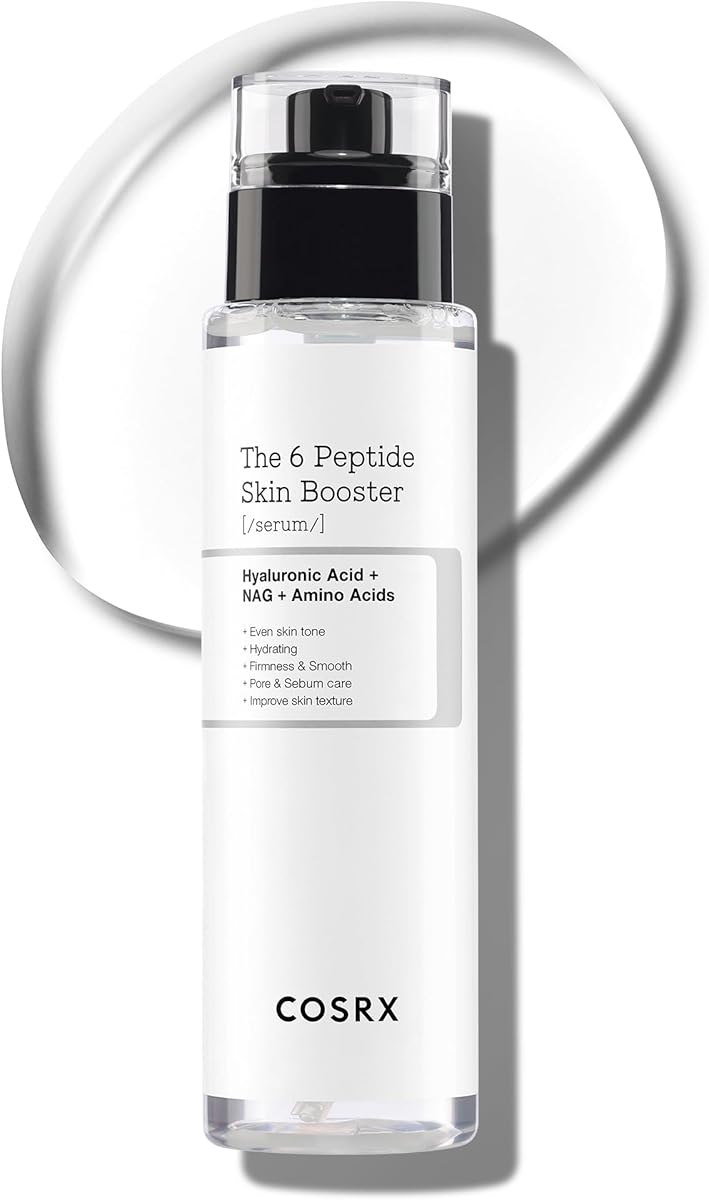
COSRX 6X Peptide Collagen Skin Booster Toner Serum
A Korean skin-booster serum built around copper peptides (GHK-Cu) for uneven texture and skin renewal. 12,100+ reviews.
📚 Sources & studies
- Pickart L et al., BioMed Research International (2015) — The Human Tri-peptide GHK and Tissue Remodeling (comparative collagen production study) View study ↗
This article is for informational purposes only and is not medical advice. Skincare products affect individuals differently — consult a board-certified dermatologist for concerns about your skin.